The consorteries
When the pastures, woods and water belong to a whole village

In many villages of the Aosta Valley, some of the woods, pastures and water belong to no one in particular. These assets are the property of a group of inhabitants, who manage them in common. This group is called a consorterie. Its members are the consorts.
An organisation born in the Middle Ages
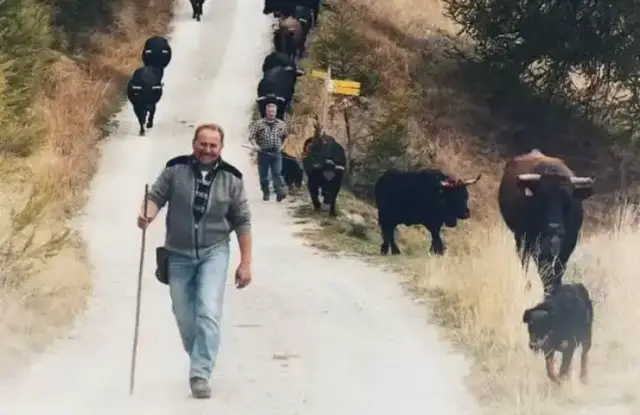
The consorteries appeared in the Middle Ages. At that time, the inhabitants of the alpine valleys organised themselves to make joint use of the forests, mountain pastures and watercourses. The aim was to share these resources fairly, and not to exhaust them.
Who decides, and how
Each consorterie has its own rules. Decisions are taken in common, by an elected council. Rights of use are shared among the members: the right to take animals to graze, to cut wood, to draw water for irrigation. These rules set what each person may take. For centuries they made it possible to meet the needs of the village without damaging the land.
Well-kept landscapes
This careful management has left its mark on the landscape. The mountain pastures have been maintained and the forests felled in moderation. The consorteries have also supported mountain farming, which remains an important resource for the local economy.
Today’s difficulties
The model is an old one, and it has to adapt. Mountain villages are emptying. The climate is changing. The legal framework is evolving. Yet many consorteries continue to operate and to update their rules.
Two examples
The consorterie of Lillaz, in Cogne, manages large high-altitude pastures. Another often mentioned is that of the Ru Herbal, at Saint-Pierre, responsible for an old irrigation channel. The two cases show that consorteries do not all manage the same kind of asset.
- Consorterie of Vencorère (municipality of Verrayes): article to come