Historical timeline
From the first hunters to the autonomy statute of 1948

The main stages in the history of the Aosta Valley, from prehistory to the present day, in a few lines per period.
The first hunters (before 5000 BC)
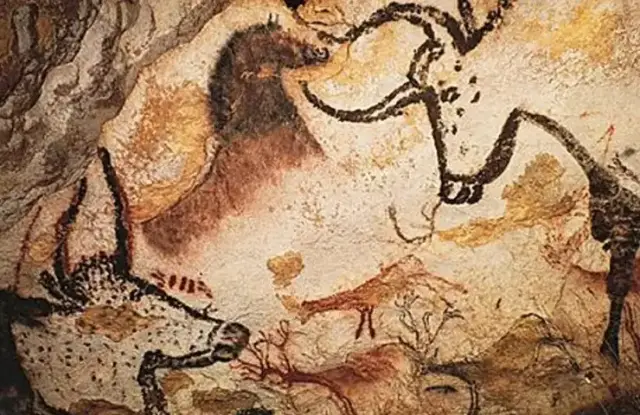
After the last ice age, the climate slowly grows warmer. Groups of nomadic hunter-gatherers make their way up the valley. They left stone tools behind them. Over time, settlement becomes more lasting.
The first farmers
In the Neolithic, the inhabitants begin to cultivate the land and raise animals. In Aosta, the megalithic area of Saint-Martin-de-Corléans preserves traces of this period and of those that followed.
The Bronze Age (2200–900 BC)
Villages multiply. People learn to work metals, bronze in particular. Trade develops with the neighbouring regions.
The Salassi (1st millennium BC)
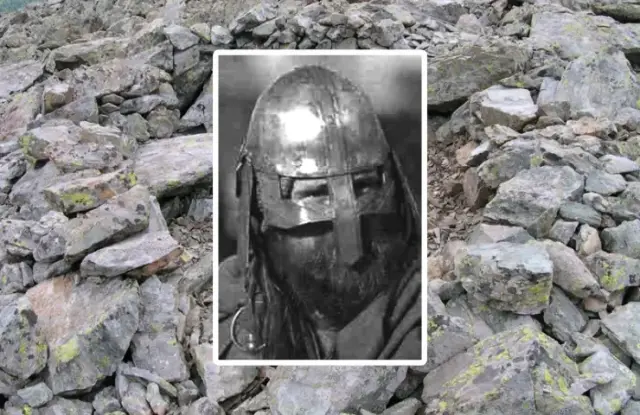
The Salassi, an Alpine people generally linked to the Celtic world, occupy the valley. They control the Alpine passes and work gold mines. Their territory attracts the Romans, who are seeking to extend their influence northwards. The conflicts last for more than a century.
Rome takes over (25 BC)
In 25 BC the Roman general Aulus Terentius Varro Murena subdues the Salassi. Rome founds Augusta Praetoria, present-day Aosta. Roads are built to cross the Alps by the Little and Great St Bernard passes.
The early Middle Ages (476–1000)
After the fall of the Western Roman Empire, the valley passes from one kingdom to another. Christianity spreads. Monasteries are founded, and they play a large part in the economy and culture of the region.
Under the House of Savoy (11th century–1800)
From the 11th century onwards, the valley gradually becomes part of the lands of the House of Savoy, the dynasty ruling Savoy and Piedmont. It keeps a degree of autonomy. French becomes the language of administration and culture.
Napoleon’s French (1800–1815)
After 1800 the valley comes under the control of Napoleon Bonaparte’s France. It is attached to the department of the Doire, created in 1802, which also includes part of Piedmont and has Ivrea as its capital. New administrative and legal rules apply.
Restoration and Risorgimento (1815–1861)
In 1815 the valley returns to the House of Savoy. It lives through the Risorgimento, the movement that leads to the unification of Italy. In 1861 it becomes part of the new Kingdom of Italy.
Fascism and war (1922–1945)
The Fascist regime sets out to Italianise the valley. French is driven out of the schools and public life, and many place names are translated into Italian. During the Second World War, the Resistance against the German occupation and Fascism is very active in the valley.
The autonomous region (since 1948)
In 1948 the Aosta Valley becomes an autonomous region with special status within the Italian Republic. French becomes an official language again, on an equal footing with Italian. The economy develops, largely thanks to tourism and hydroelectric power.