Boudeun
The blood sausage of the Aosta Valley, made with blood, potatoes and pork fat

In patois it is called boudeun. It is the blood sausage of the Aosta Valley. It differs from French black pudding in its ingredients and in the way it is eaten. This farmhouse dish has been made for generations, in the season when the pig was slaughtered.
What goes into boudeun: local ingredients
The recipe is based on simple, local ingredients:
- blood, usually pig’s blood;
- boiled potatoes;
- pork fat;
- a blend of spices, measured out by each butcher.
You sometimes read that boudeun contains rice and apples. These are ingredients of other blood sausages. The traditional Aosta Valley recipe is based on potatoes and pork fat.
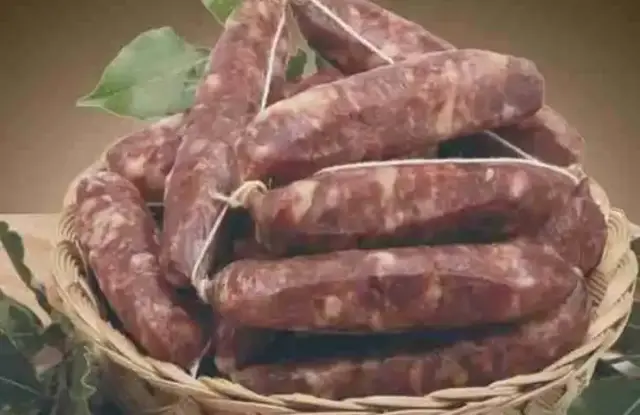
The mixture is stuffed into natural casings. The sausage is then eaten fresh, cooked, or dried and cut into slices.
A winter dish, hot, tender and filling
Boudeun is made and eaten mainly in winter. Served hot, it is tender and filling. It makes a good meal after a day of skiing or walking in the snow. It is served with polenta, sautéed potatoes or Brussels sprouts.
Where to taste boudeun: restaurants and markets
Many restaurants serving Aosta Valley food put it on the menu in season. You can also find it at markets, from producers who are happy to explain how it is made. Choose an artisan sausage, made to the traditional recipe.
As for wine, choose a red from the valley, such as Cornalin.
At a glance
- Ingredients: blood (often replaced by beetroot in the upper valley), potatoes, pork fat, spices and garlic steeped in red wine.
- Shape: stuffed into casings and tied in links.
- Drying: eaten fresh or after 7 to 30 days of drying.
- At the table: sliced on a board, or baked.
Source: food and wine guide of the Aosta Chamber of Commerce.
Comments