The lacemakers of Cogne
Bobbins, pins and pillow: lace made by hand since the 17th century

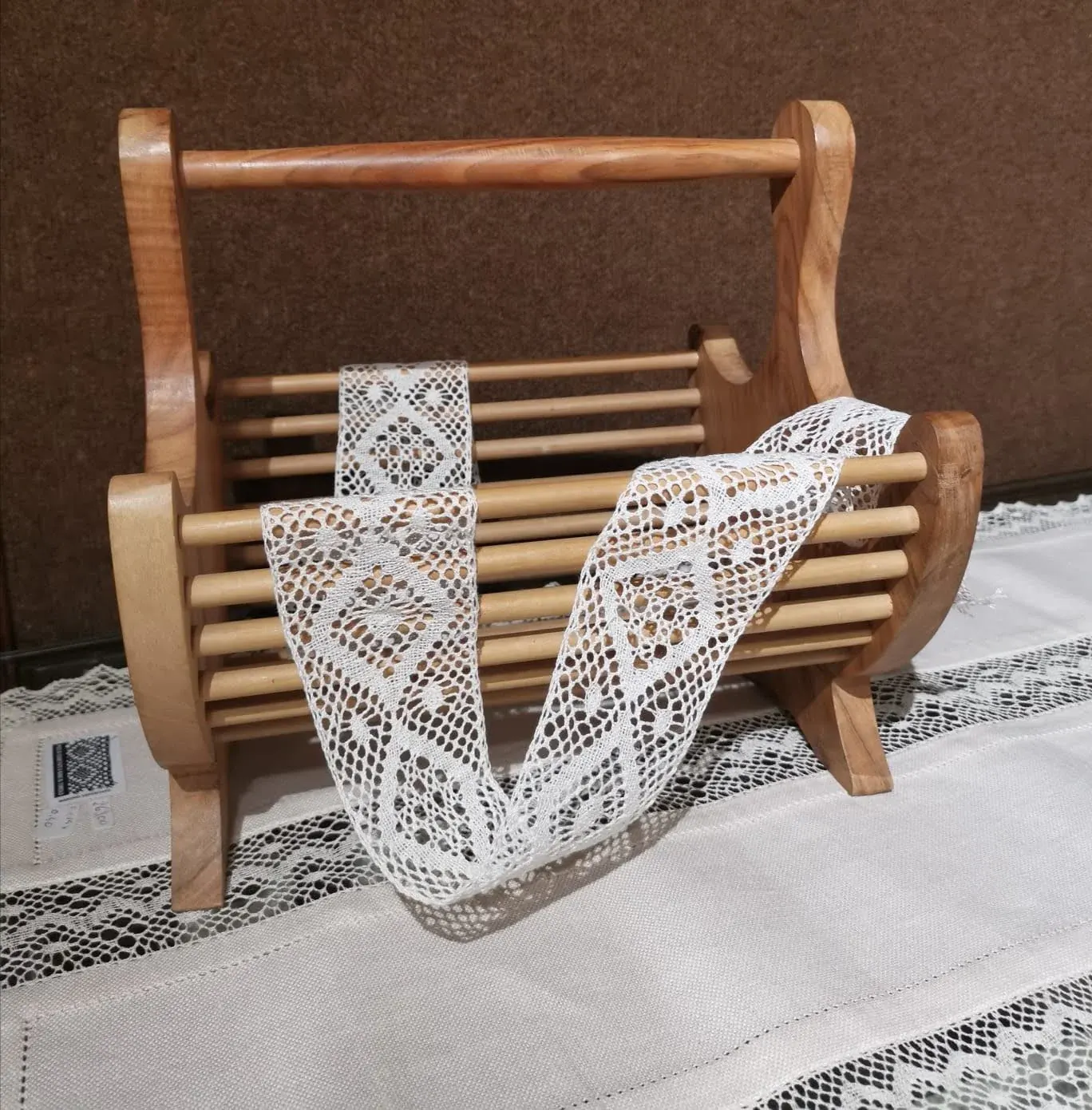
Cogne is known for the Gran Paradiso National Park. It is also known for its lace. It is made with bobbins, a technique in which threads wound on small wooden spools are crossed over one another. The craft is still passed on today, thanks to a group of local lacemakers.
A tradition born in the 17th century
Cogne lace goes back to the 17th century. Since then, it has been part of the valley’s heritage. It can be recognised by its close-set patterns and the fineness of the work, which several generations have gradually refined.
The maison di pitz
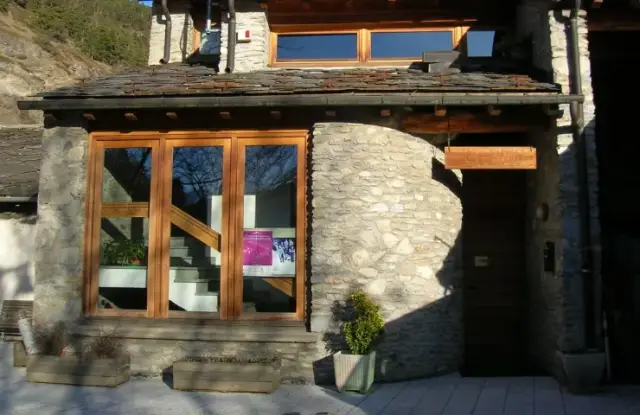
The lacemakers meet at the maison di pitz. In patois, the name means “house of lace”. The place has three roles:
- A workshop. The lacemakers work there every day. They make traditional designs, but also more contemporary pieces.
- A school. Regular classes allow young people to learn the technique.
- An exhibition space. Visitors can see the pieces made by the craftswomen.
The lacemaker’s equipment
A piece of Cogne lace takes patience, precision and years of practice. Three tools are enough:
- the bobbins, made of wood, on which the thread is wound and which the lacemaker crosses and moves;
- the pins, which hold the pattern in place as the work progresses;
- the tombolo, a cylindrical or rectangular pillow on which the lace pattern is fixed.
Designs old and new
The lacemakers keep the old patterns and techniques. But they also create new pieces, designed for present-day use. The craft evolves without losing its technique.
Buying lace in Cogne helps keep this work alive. What is at stake is cultural, but also economic for the valley.
Address
Les Dentellières de Cogne
Rue Dr. Grappein 50
11012 Cogne (AO)