Soapstone
A green rock worked in the Aosta Valley since prehistory
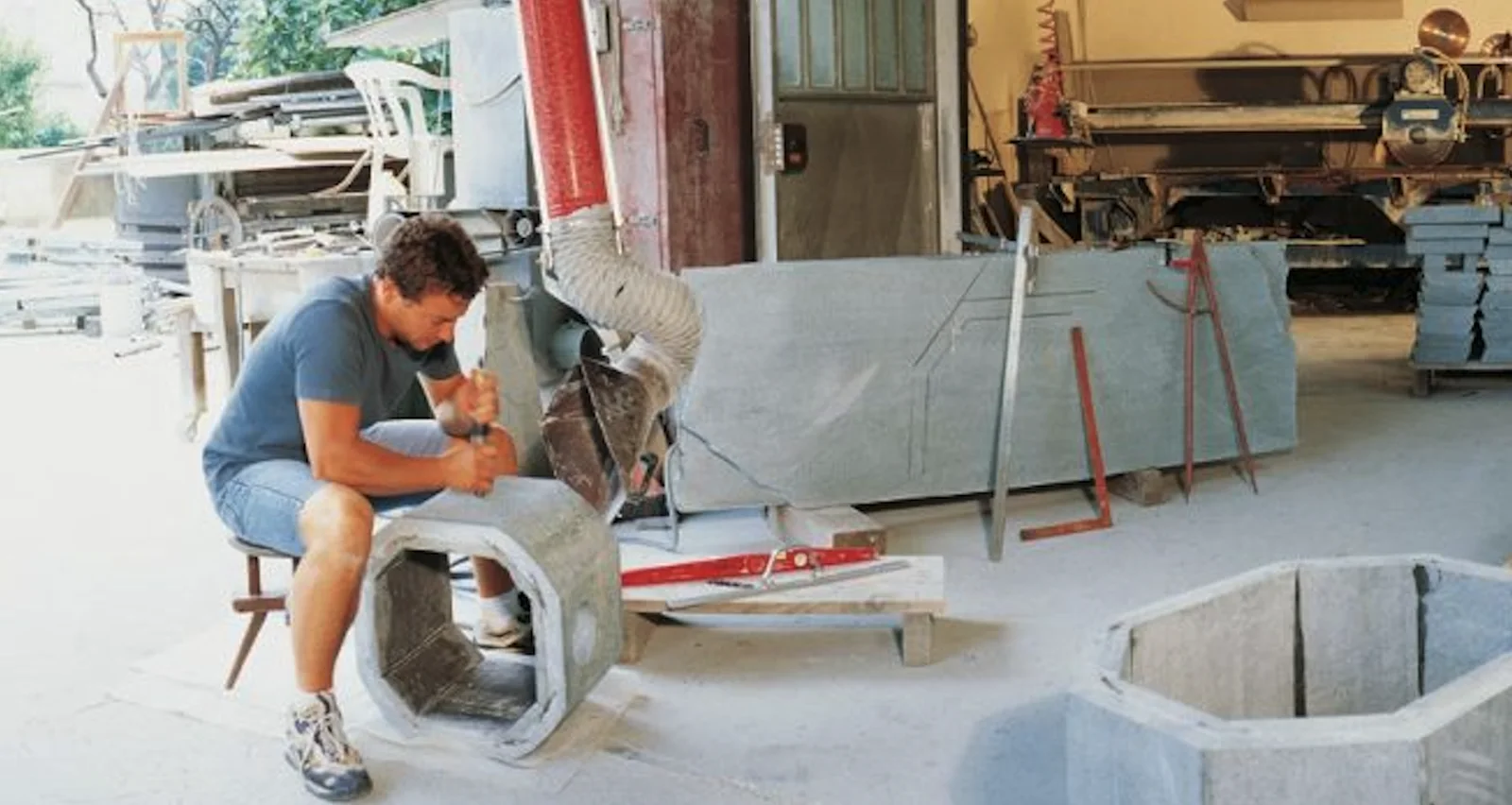
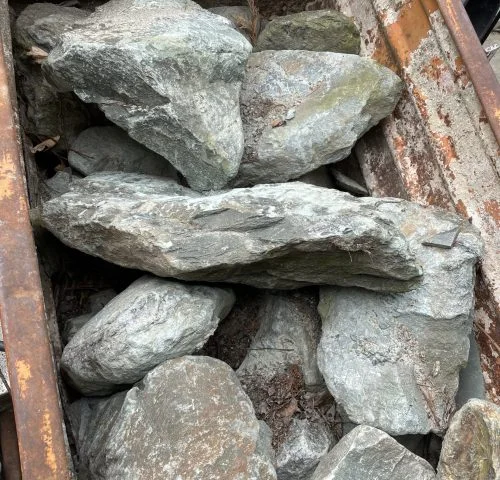
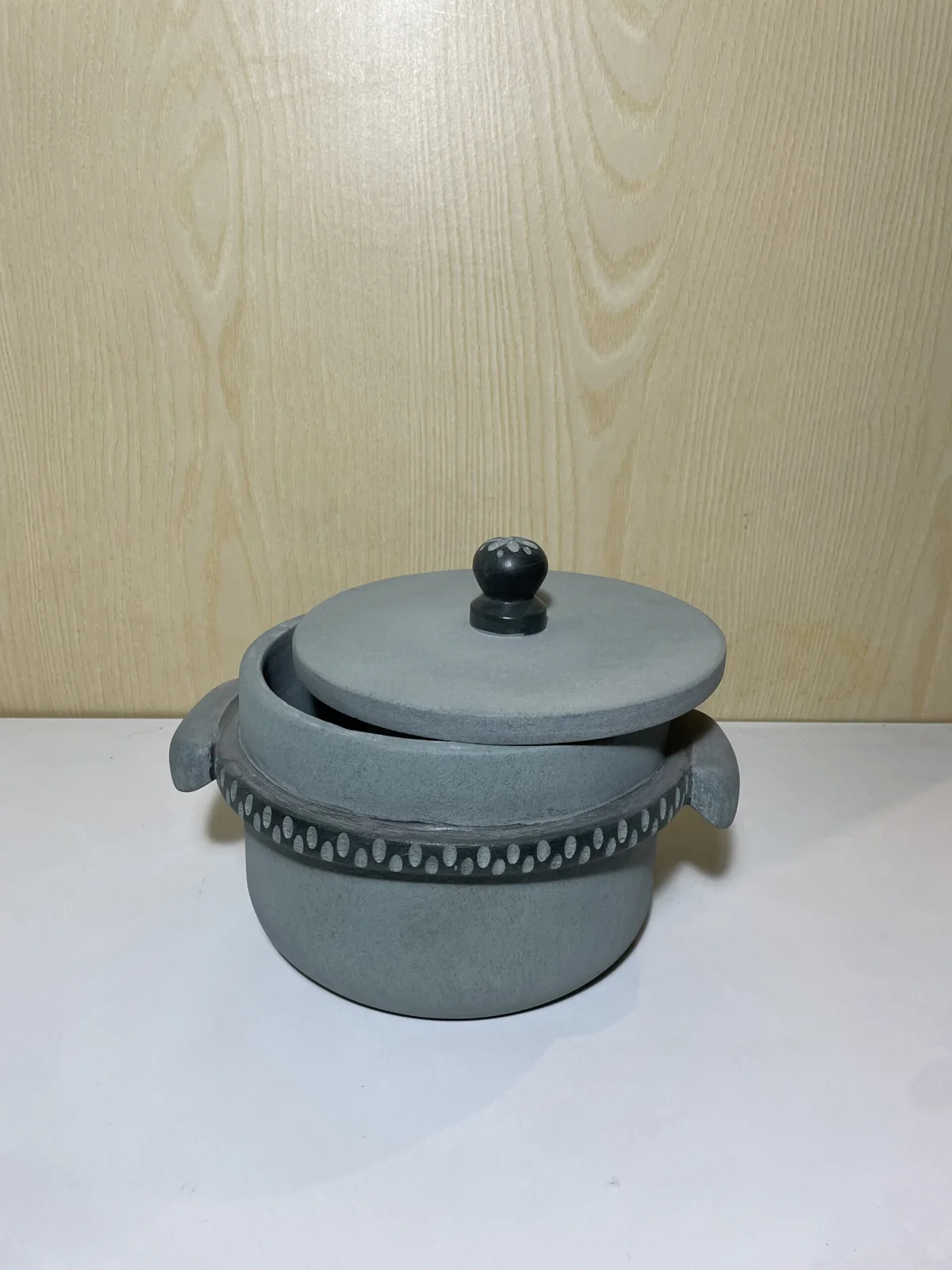
Soapstone, known locally as pierre ollaire, is a green rock, soft and compact. Its French name comes from the Latin olla, a pot: in the past it was used mainly to make turned vessels. In the Aosta Valley it has been worked for thousands of years, for vessels, stoves and now works of art.
A rock of the side valleys
According to the Autonomous Region of the Aosta Valley, soapstone has been used since the Neolithic. It is found in the Valtournenche, the Ayas valley and the Champorcher valley. Geologists link some of these rocks to chlorite schists, which are rich in chlorite.
The Valmérianaz quarry
At Pontey, in the Valmérianaz valley, an old quarry was studied by the geologist Paolo Castello in 2018. It lies at about 1,850 to 1,970 metres above sea level, over at least 15,000 m². Fragments of vessels and turning cones were found there. These cones served as tenons during shaping. The study notes that the quarrying is ancient but poorly documented. Stones of this type have been found at sites from the Roman period and the early Middle Ages.
A stone that keeps the heat
According to the craftsmen Fratelli Ferrari, soapstone is a dark green metamorphic rock made up notably of steatite (“soap stone”) and magnesite. It is soft enough to be sawn and carved. Magnesite lets it absorb heat quickly, conduct it well and resist fire. A soapstone stove therefore keeps heating for several hours after the fire has gone out. The Ferraris say they work a local stone, quarried in the Gressoney and Champorcher valleys.
Quarrying and turning
Stonecutters detached the blocks with pointed metal tools. They also used wooden wedges swollen with water. The vessels were then turned. The walls were 8 to 15 millimetres thick, the base 20 to 25 millimetres.
The Fratelli Ferrari, in Pont-Saint-Martin
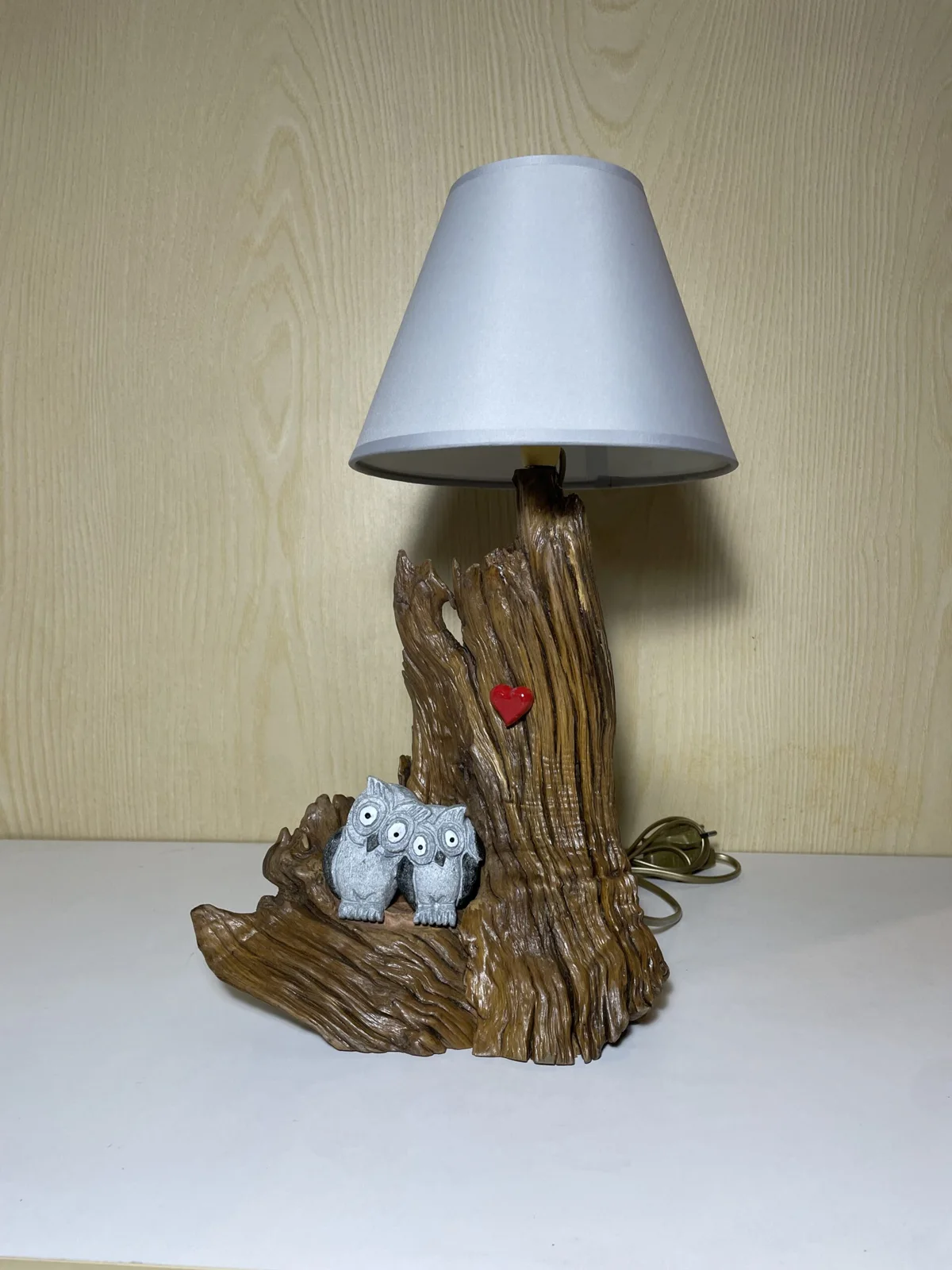
In Pont-Saint-Martin, the brothers Fabrizio and Claudio Ferrari carry on a skill passed down by their father, Renzo. Fabrizio has worked soapstone there since 1987; the workshop has more than thirty years of activity. The brothers also work wood, mainly chestnut, which they often combine with the stone.
Their speciality is the wood-burning stove. Each tier is made of eight small plates glued into an octagon, then turned, ground at the corners and bush-hammered. This assembly limits the cracks caused by expansion, which were more frequent on old stoves made of large slabs. The stoves come in round, oval or octagonal shapes, with two or three tiers. According to the workshop, a two-tier model heats 50 to 60 m² and a three-tier model 80 to 90 m², using 20 to 25 kg of wood a day. The workshop also restores old stoves.
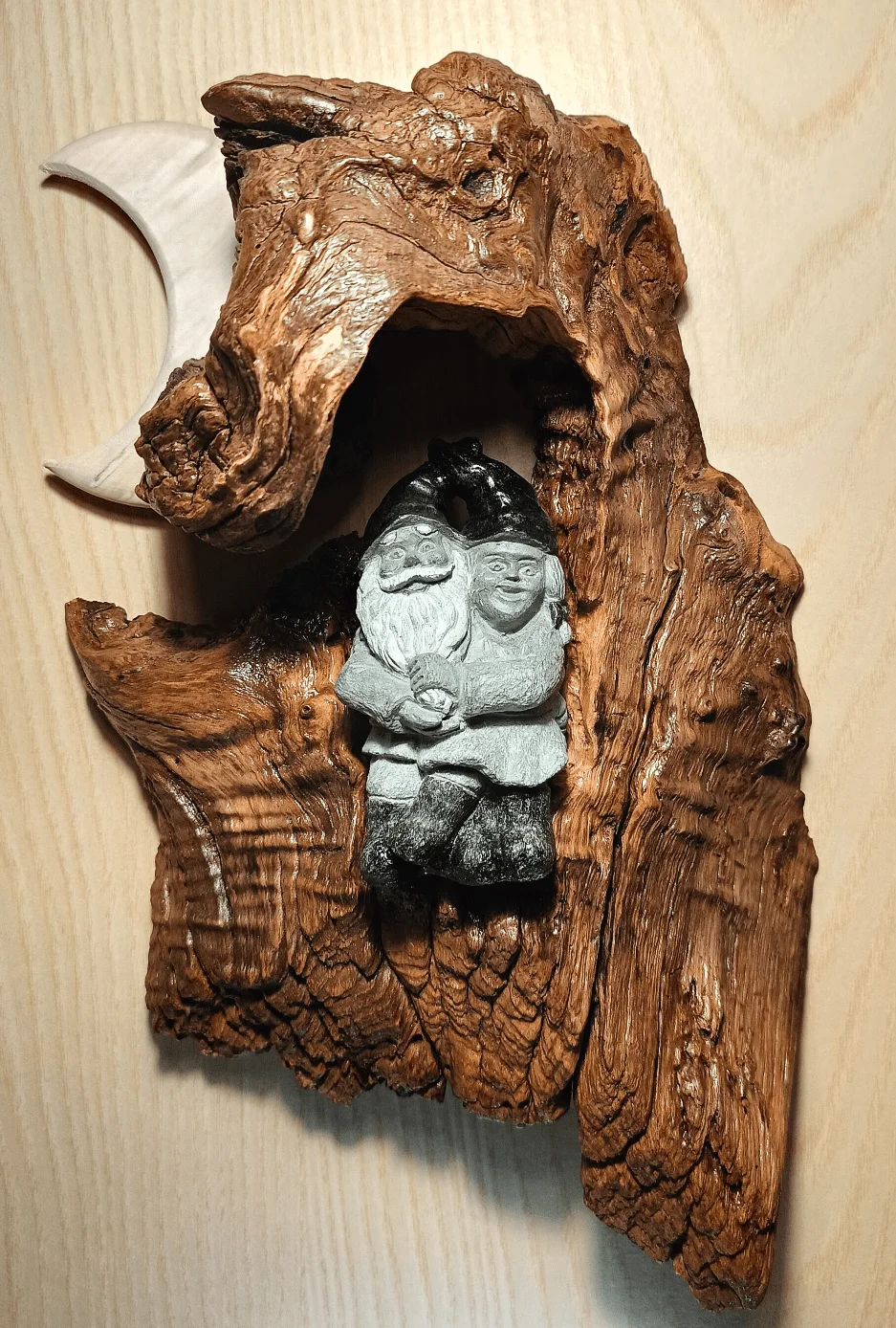
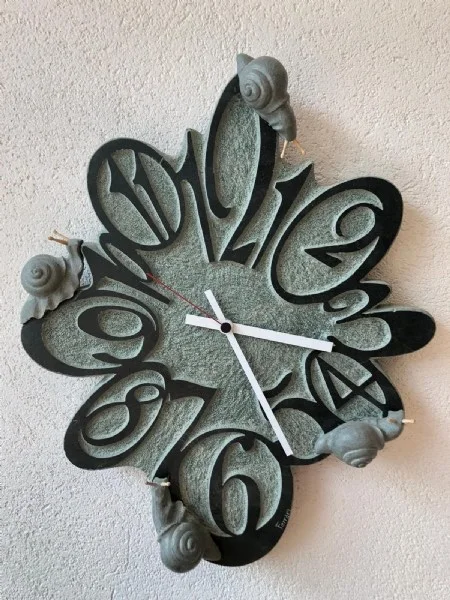
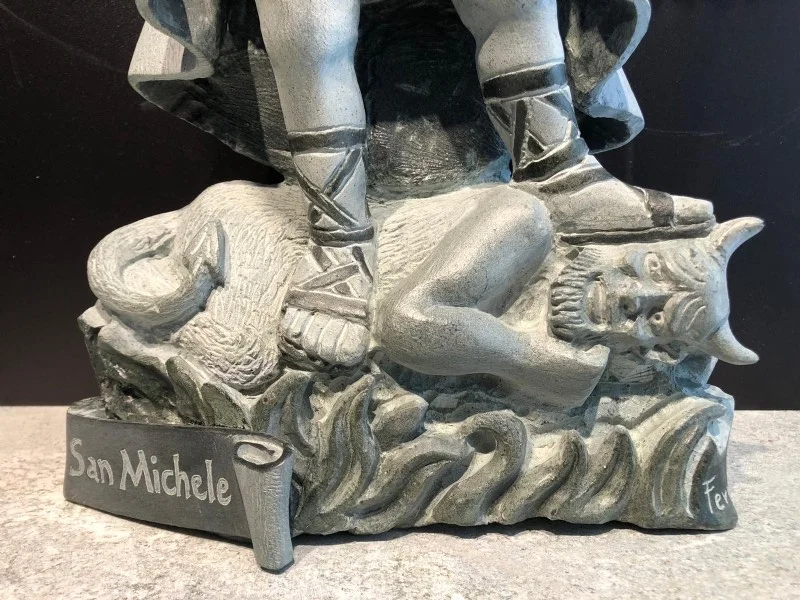
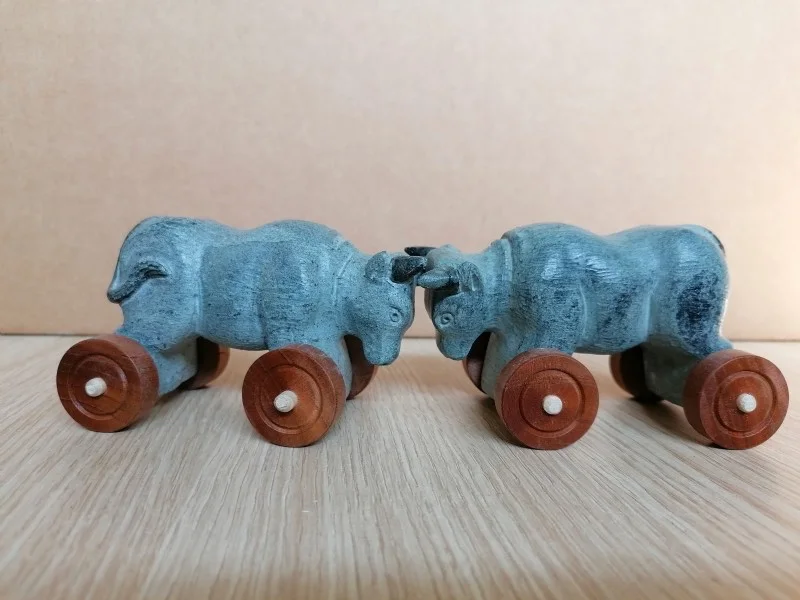
Alongside the stoves, the Ferraris carve household objects and pieces to order: pots, clocks, lamps, statuettes. The stone is sawn, carved, then finished by hand with small burrs, sandpaper and wax.
From stoves to sculptures
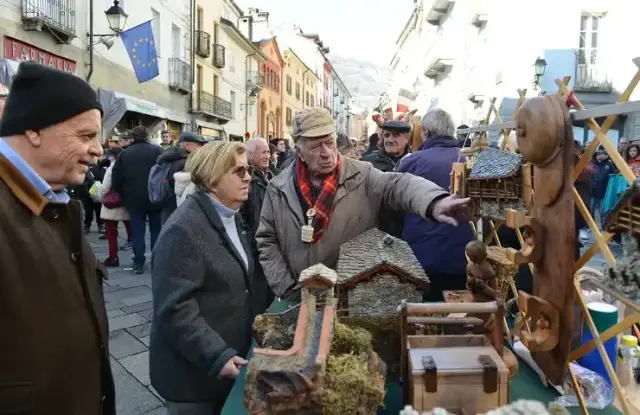
The craftsmen of the Valtournenche specialised in soapstone stoves. Today the stone is still used to make stoves, but also sculptures, plates, bowls and boxes. These pieces are among the trades shown at the Museum of Aosta Valley crafts and at the Fair of Saint Ours.
Sources: Fratelli Ferrari, soapstone sculptors (pages La pietra ollare, Chi siamo and Le stufe), Autonomous Region of the Aosta Valley – Aosta Valley crafts, Paolo Castello, Revue valdôtaine d’histoire naturelle, 2018 (SFV).
Photos: Fratelli Ferrari, ferrariollare.it.

Comments