Cow bells
Bells round the cows’ necks, from the pasture to the village festival

In summer, on the high pastures, you hear the herds before you see them. Each cow wears a bell round its neck, held by a wide leather collar. These bells are called sonnailles. Herdsmen have used them for centuries, and they also have their place at festivals.
The bell-maker’s craft
The craftsman who makes the bells is called the sonnaillier. In the Aosta Valley the trade is handed down in a few families, from parents to children. The sheet metal is hammered into shape. Then comes the tuning: the craftsman adjusts the bell until it gives the sound he wants. Every stage is done by hand.
Toupins, clarines and grelots
There is no single model. The shape, size and metal vary from region to region and according to use. Among others there are toupins, clarines and grelots. Each has its own tone. The metal matters too: steel, bronze and brass do not sound the same.
What a cow bell is for
The first purpose is practical. Thanks to the sound, the herdsman knows where his herd is, even in fog or in a wood. He can also recognise certain animals by their bell. Finally, the noise helps the herd stay together.
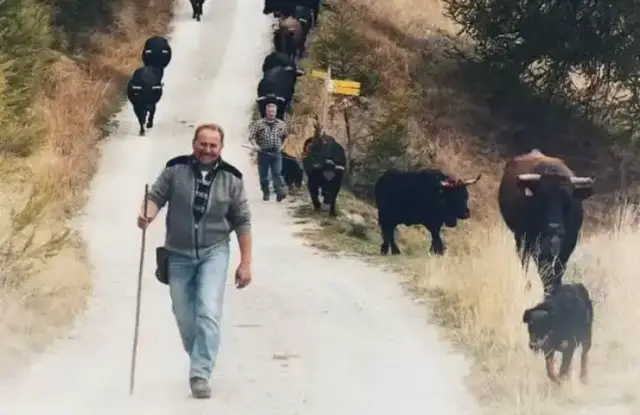
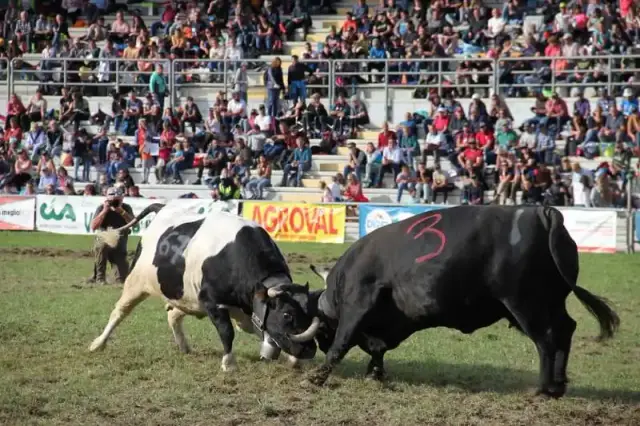
Over time the bells have taken on a symbolic value. The largest and finest come out for festivals: you see them at the désalpe, when the herds come down from the summer pastures, and around the battles of the “reines”.
A craft to pass on
There are fewer and fewer bell-makers, and the craft has to find its place in today’s economy. Museums, associations and craftsmen are working to make it known and to train new makers.