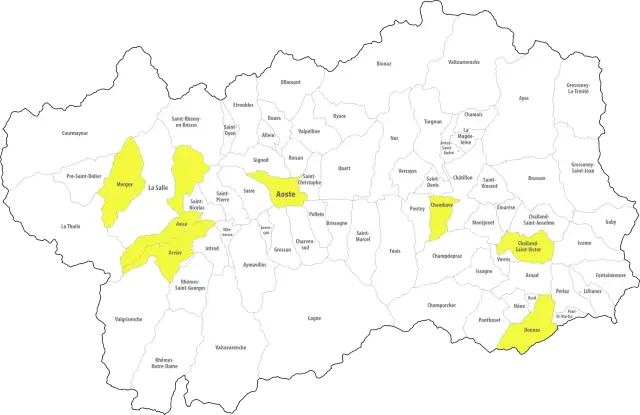
Enfer d'Arvier DOC
The red wine of Arvier’s scorching hillside
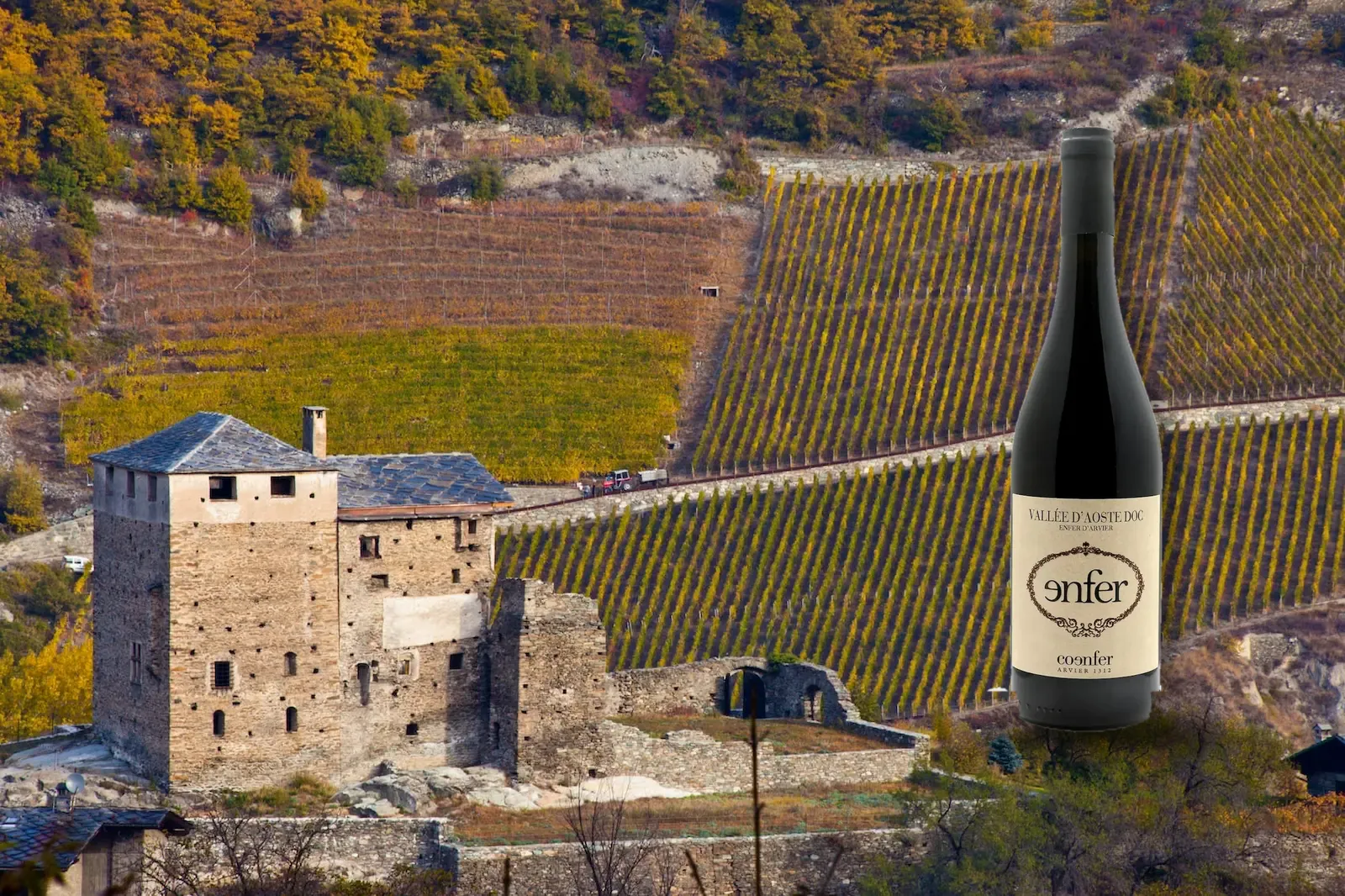
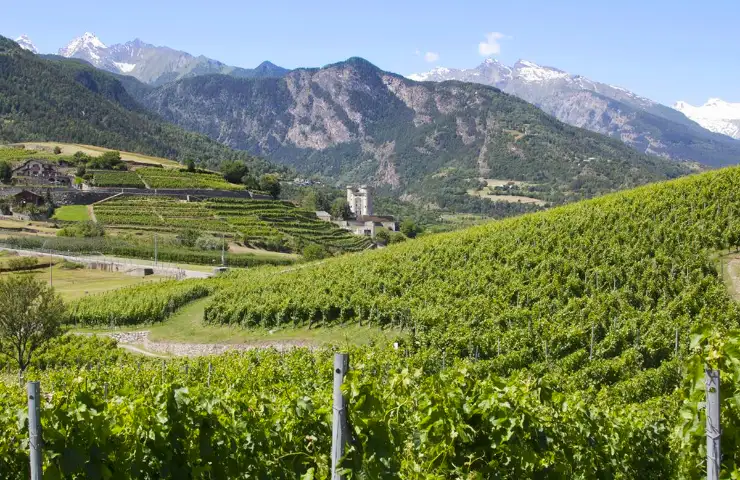
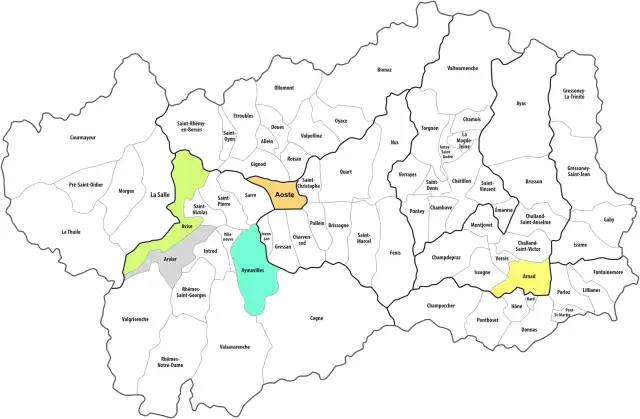
In Arvier, between Aosta and Morgex, a hillside facing due south forms a natural amphitheatre above the Dora Baltea. It gets so hot there in summer that it was nicknamed the Enfer, ‘Hell’. The wine made there bears the name: Enfer d’Arvier, one of the oldest appellations in the Aosta Valley.
Sandy soil
The soils of the Enfer come from the old moraines left by the glaciers. They are 70% sand and let water drain away very quickly. It is poor land and hard to work, but the sun warms it deep down and the grapes ripen well.
The vines are planted on terraces, sometimes in straight rows, on slopes that reach 45° in places. The plots bear names the growers know well: Duhron, la Grande Vigne, Meylan and the Enfer itself.
Petit rouge
Enfer d’Arvier is made mainly from petit rouge, the most widely planted red grape in the valley. A little of other local varieties may be added, such as fumin or mayolet, which bring colour or finesse.
The Enfer cooperative
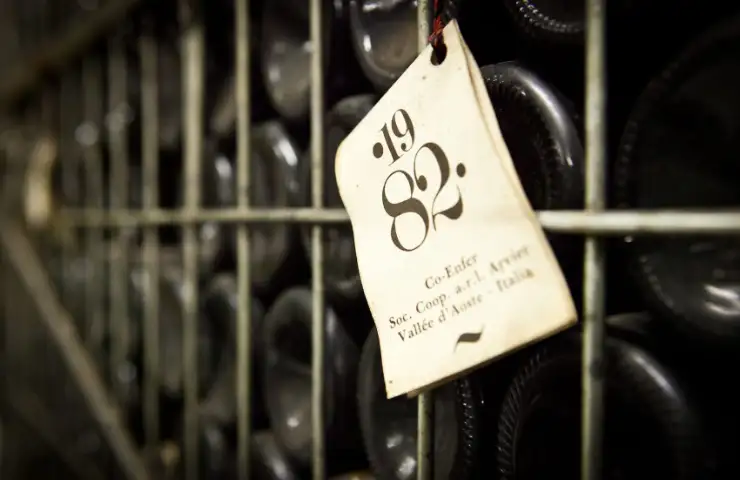
CoEnfer, a small cooperative in Arvier, brings together the growers of the hillside and farms about 7 hectares. In its view, the quality of a wine owes as much to the soil and climate as to human work: it is people who decide how to care for the land and keep it alive.
Since 2009 it has turned to organic farming. Weeds are controlled by working the soil, pests are fought without synthetic chemicals, and the land is fed with natural fertilisers. Grass grows between the rows, and every other row is turned over each year, then sown with legumes or grasses. It is now the largest area farmed organically in the whole of the Aosta Valley.
At the table
A red to serve with Aosta Valley charcuterie, fondue, grilled meats or mountain cheeses.