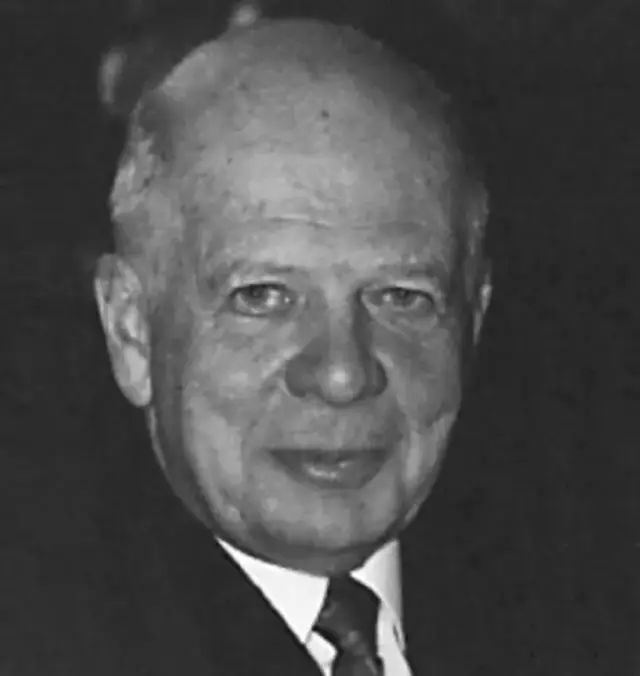
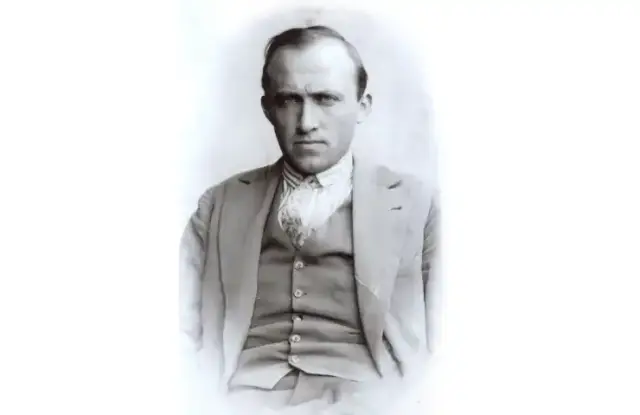
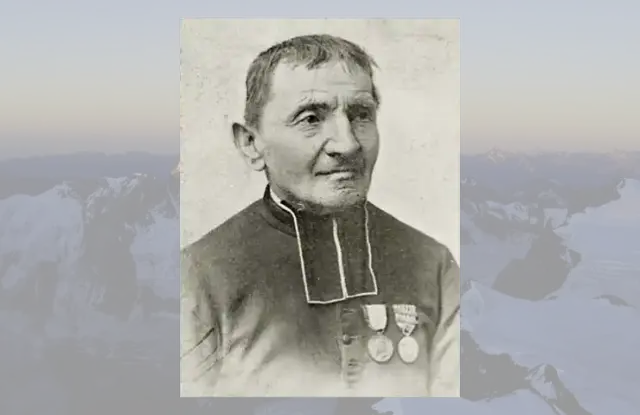
Federico Chabod
A leading Italian historian, born in Aosta, who presided over the valley in 1946

Federico Chabod was born in Aosta in 1901. He became one of the foremost Italian historians of the 20th century. He also played a political role in his region, at the time when the Aosta Valley was gaining its autonomy.
Turin, Florence, Rome
Chabod studied history at the University of Turin. He then continued his studies under Gaetano Salvemini in Florence and Gioacchino Volpe in Rome.
He went on to teach at several universities:
- the University of Perugia;
- the University of Milan;
- the University of Rome.
The historian’s work
Chabod is known for his rigour. He read his sources closely and always placed events in their context. His research focused mainly on:
- Renaissance Italy;
- the birth of the modern state;
- European politics in the 16th century.
His best-known book, Storia della politica estera italiana dal 1870 al 1896, came out in 1951. It remains a standard work on Italy’s foreign policy at the end of the 19th century.

In the Resistance
During the Second World War Chabod joined the Resistance. The experience strengthened his commitment to democracy.
In the service of the valley
After the war he took part in the discussions on the future of the Aosta Valley. He argued for wide autonomy for the region within Italy. This autonomy took the form of a special statute, adopted in 1948.
In 1946 Chabod became the first president of the Council of the Valley, the assembly charged with preparing the Aosta Valley’s autonomy. He then returned to teaching and research.
His legacy
Chabod’s influence reaches far beyond the Aosta Valley. His work trained generations of Italian historians. He also reflected on the history of the idea of Europe and on the place of linguistic minorities. Several institutions now bear his name.
Federico Chabod died in Rome in 1960. He managed to combine a career as a historian with practical political commitment, both for his region and for his country.