The Saint-Martin-de-Corléans Megalithic Area
A prehistoric site more than five thousand years old, sheltered under a great roof in the heart of Aosta
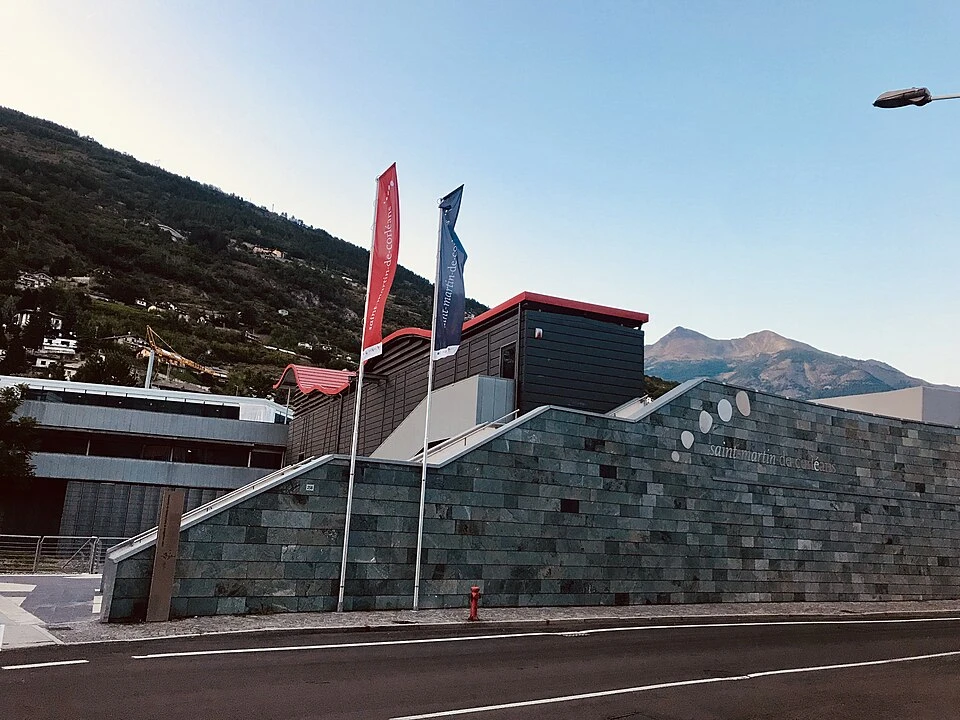
On the edge of a neighbourhood of Aosta, a great roof 50 metres by 50 covers a prehistoric site. This is the Saint-Martin-de-Corléans megalithic area, one of the largest megalithic complexes in Italy.
A discovery in 1969
The site was found in 1969, during the construction of an apartment block. It dates mostly from the third millennium BC, with traces of occupation from the Neolithic to the Bronze Age. The excavation removed 22 layers, down to 6 metres below today’s valley floor. The Region bought the land to protect it and dig it properly.
Dolmens, menhirs and stelae
Over more than a hectare you can see dolmens resting on stone platforms, cist tombs, rows of post holes for wooden posts, menhirs and anthropomorphic stelae, that is, standing stones carved with a human face or body. The place lies close to Alpine passes and metal deposits.
A museum on the site
A museum and archaeological park were built over the dig in the 2000s. The texts are in Italian, French, English and Braille, and several objects can be touched. The site is fully accessible: lift, adapted toilets and disabled parking 100 metres away.
Address : Corso Saint-Martin-de-Corléans 258, 11100 Aoste (AO)
Telephone : +39 0165 552420
Official website : valledaostaheritage.com/area-megalitica
Opening hours : Tuesday to Sunday, 10:00 to 18:00; closed on Mondays. Guided visits at 11:00 and 15:30, or free visit.
Admission : full price €7; reduced €5; free for visitors with disabilities and their companion. Discount with the “Aosta Archeologica” ticket.
Please check before your visit: hours and prices can change from one season to the next.
Main photo: Tenam2, CC BY-SA 4.0, via Wikimedia Commons.
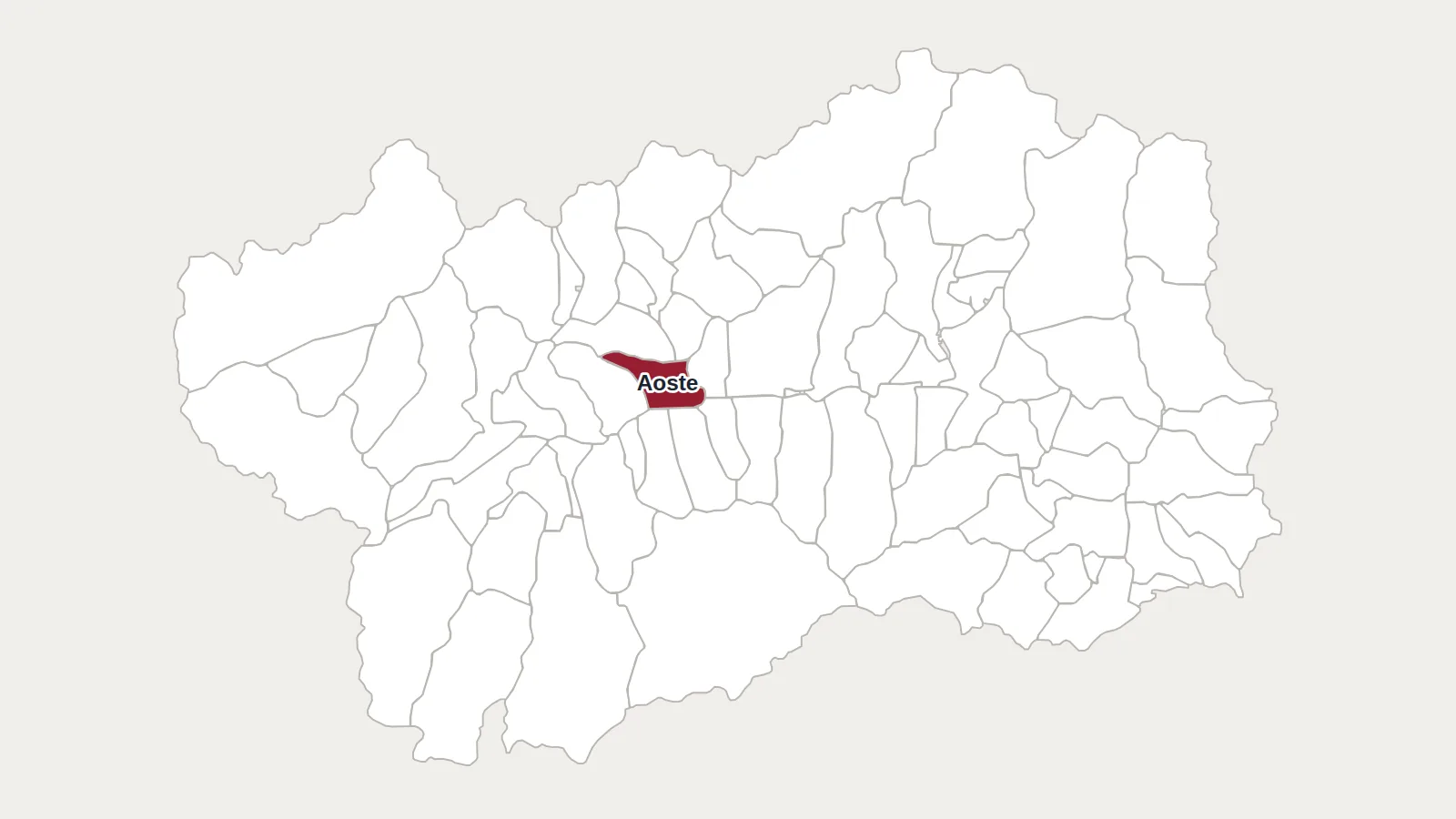
Maps: personal work by Marc Badjou.


Comments