The vineyards of the Aosta Valley
Terraced vines, from the valley floor up to 1,200 metres

The Aosta Valley is one of the smallest wine regions in Italy. Its vines cover the slopes of the Dora Baltea valley, from Pont-Saint-Martin to the foot of Mont Blanc. The wines are produced under the Valle d’Aosta DOC.
A very old vineyard
Vines have been grown here for a long time. According to archaeologists, grape pips found in the region date back to the Bronze Age. In Roman times, in the 1st century AD, wine was already being produced on a regular basis, as remains from that period show.
Working on steep slopes
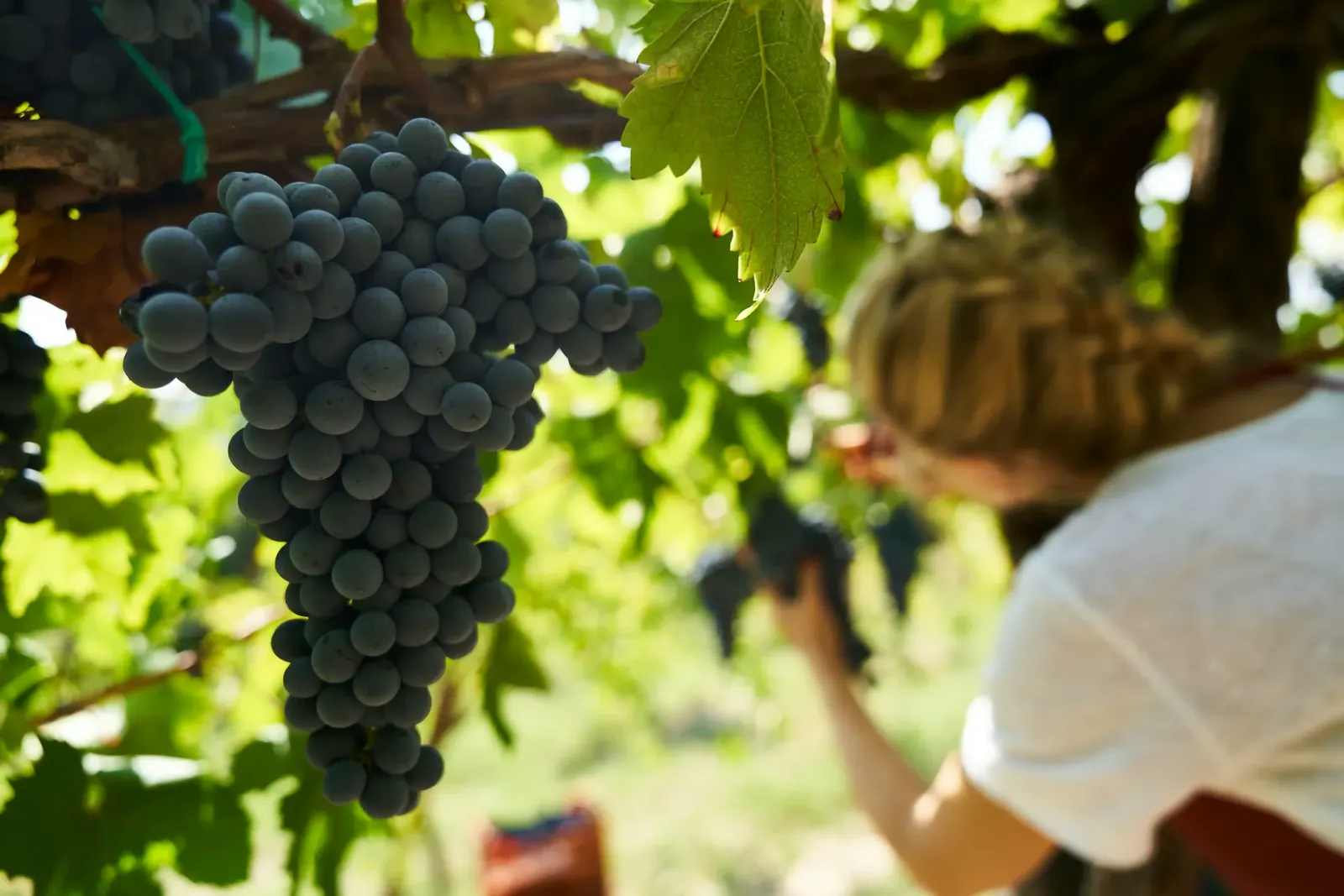
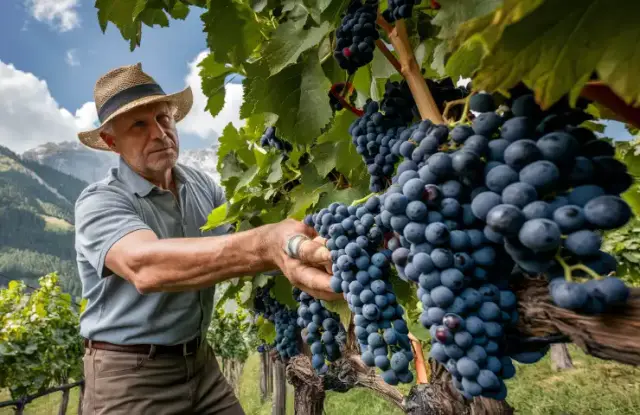
Many of the valley’s vineyards are planted on steep hillsides, often on terraces held up by stone walls. Machines get through with difficulty, or not at all. Much of the work is therefore done by hand, from pruning to harvest. In Italy this kind of vineyard is described as “heroic viticulture”.
Climate and altitude
The valley’s climate suits the vine well. There is little rain, the wind blows often, and the difference in temperature between day and night is large. These conditions favour wines with pronounced aromas. Over barely 90 kilometres, conditions vary a great deal: some vines grow on the valley floor, while others climb as high as 1,200 metres, at Morgex.
The main DOC wines
The Valle d’Aosta DOC covers many designations, by grape variety or by sub-zone. See the full list of DOC wines of the Aosta Valley. Among the best known:
- Torrette: a structured red with aromas of ripe red fruit;
- Blanc de Morgex et de La Salle: a mountain white, fresh and mineral;
- Fumin: a powerful red with notes of black fruit and spice;
- Petite Arvine: an elegant white with citrus and floral aromas;
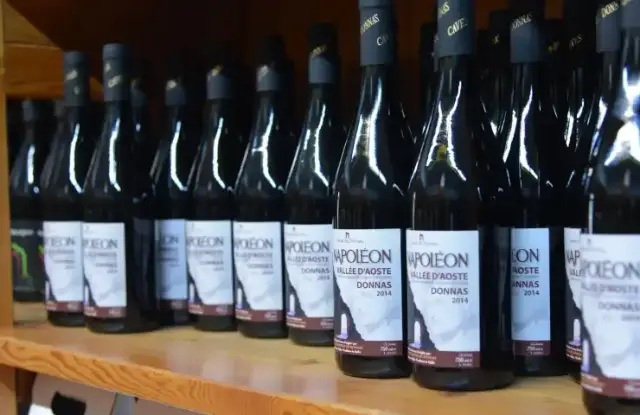
- Donnas: often compared with the wines of neighbouring Piedmont for its rose aromas and its tannins.
Visiting the vineyards
There are several ways to discover the vineyards: tastings, walks among the vines, cellar visits. The producers page presents the wineries described on the site.