The Marmore
The torrent of the Valtournenche, from the foot of the Matterhorn to Châtillon

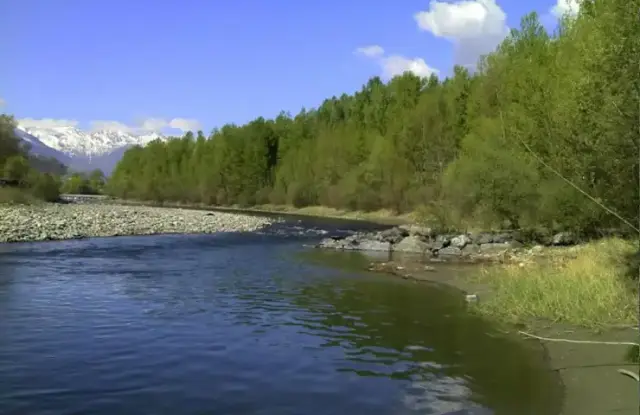
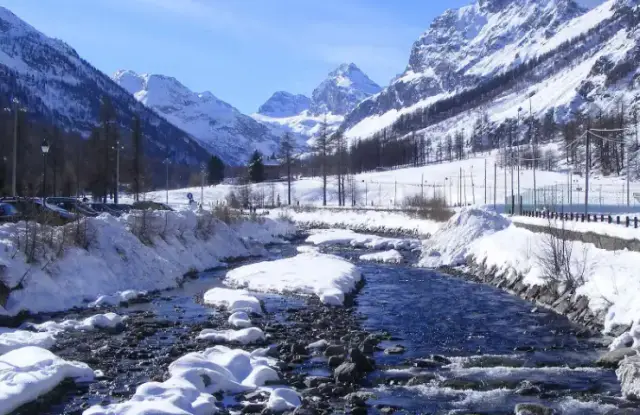
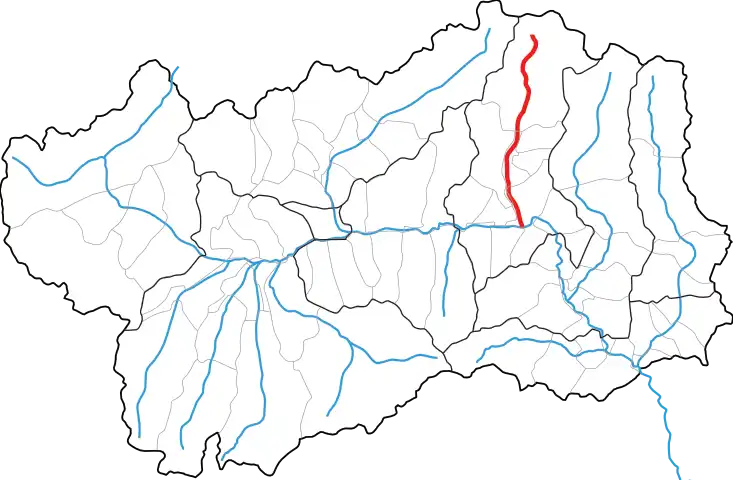
The Marmore comes down from the upper Valtournenche, at the foot of the Matterhorn. It runs through the whole valley from north to south, then flows into the Dora Baltea at Châtillon. Along the way it passes from the high mountains to the meadows and vineyards at the bottom of the main valley.
A name that comes from marble?
“Marmore” means “marble” in old Italian. The name is often explained by the pale rocks that the torrent flows through and polishes. Where the water runs over these stones, the light casts reflections on the rock walls. The explanation is widespread, but there is no way of confirming it for certain.
Water in the service of the villages
For centuries the people of the Valtournenche have used the water of the Marmore:
- for irrigation, through a network of channels that carry the water to the meadows and fields;
- to drive mills and small workshops;
- for household water, drawn by the villages along the torrent.
In the 20th century the mills gave way to hydroelectric power stations. Several of them still run on the water of the Marmore.
Gorges, forests and summer pastures
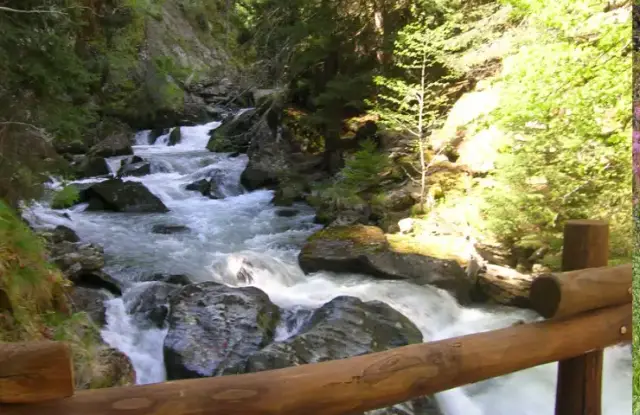
Along the torrent, larch forests, summer pastures, narrow gorges and waterfalls follow one after another. Near Valtournenche, the Marmore has carved out the Gouffre des Busserailles, a deep and very narrow gorge that can be visited. Higher up, the pastures take in herds of Aosta Valley cattle in summer.
Protecting the valley
The Marmore and its surroundings remain a fragile environment. The Region has taken several measures to preserve them: creating protected areas, laying out and maintaining paths, and informing visitors about environmental protection.
On foot along the torrent
Experienced hikers will find long routes to the pastures and mountain huts at the head of the valley. Walkers can make do with the paths that follow the torrent between the villages. All of them, at one point or another, pass by the water of the Marmore.