The Pont d’Ael aqueduct
A private aqueduct above the Grand Eyvia gorge, signed by its builder

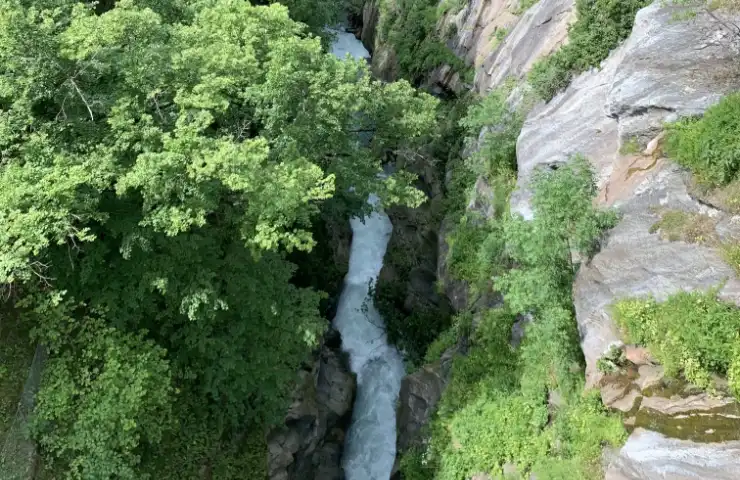
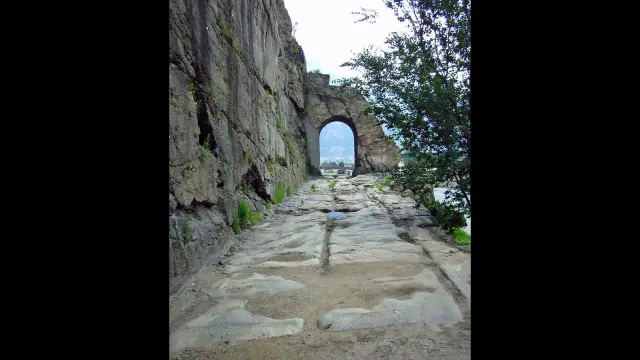
At the end of the hamlet of Pont d’Aël (Pondel), in Aymavilles, at the mouth of the Cogne valley, a Roman bridge spans the Grand Eyvia gorge, high above the torrent. Built in 3 BC, it can still be crossed on foot two thousand years later.
A channel and a corridor on two levels
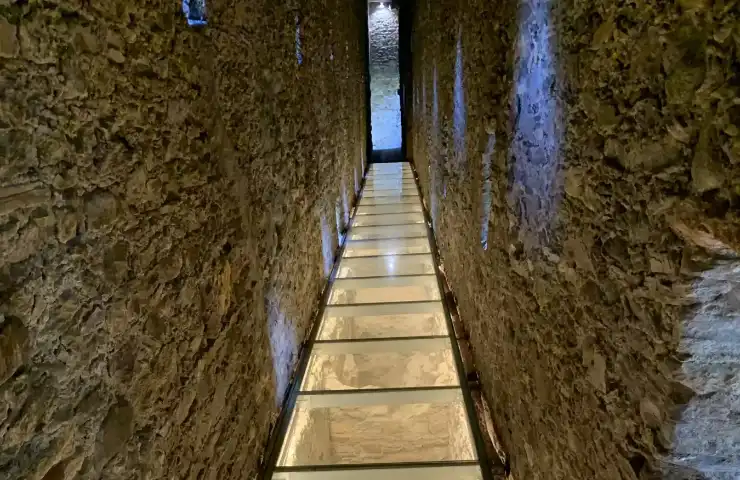
The bridge has two levels. On top ran a channel carrying water: today it is the walkers’ path. Below, a covered passage let people and animals cross the gorge under shelter.
What the Latin inscription on the bridge says
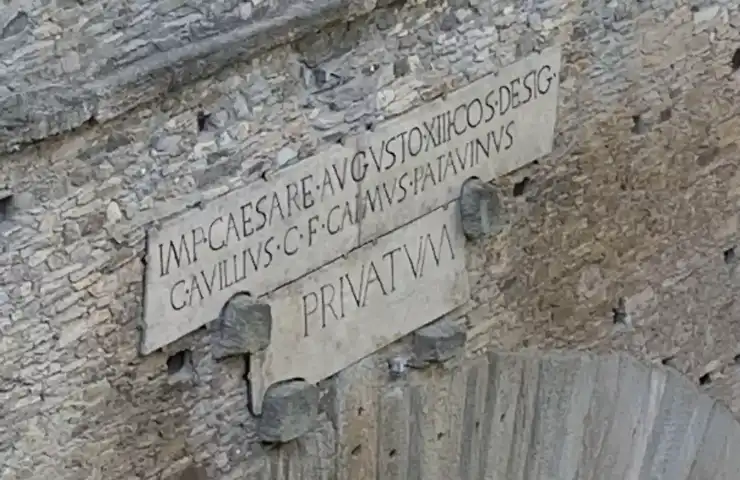
On the north face, a Latin inscription gives three pieces of information:
- the date: the year Augustus was designated for his thirteenth consulship, that is 3 BC;
- the builder: Caius Avillius Aimus, from Padua;
- its status: the work is private (privatum).
So the bridge was not built by the Roman state but by a private individual. The inscription does not say what the water was for; it is often thought to have supplied the stone quarries nearby.
The Avillii, entrepreneurs from Padua
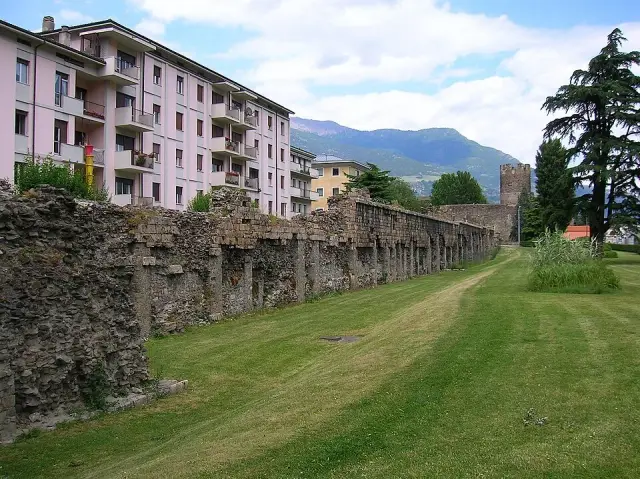
The valley had only just been conquered: Augusta Prætoria had been founded in 25 BC. The Romans were interested in its resources, especially stone from the quarries of Aymavilles and Villeneuve.
The Avillii were a family of entrepreneurs from Padua, credited with brick production. Some members are also said to have traded, notably in slaves, on the Greek island of Delos. Other inscriptions found near Aymavilles mention freedmen of the family, a sign that it was well established in the region.
Names that come from it: Pons Avilli, Aymavilles
The bridge is sometimes called Pons Avilli, Avillius’s bridge. The name Aymavilles may also come from the family, but that is only a theory.
Pont d’Aël bridge-aqueduct
Frazione Pondel
11010 Aymavilles (AO)
Tel.: (+39) 0165 902252 · (+39) 0165 274363
valledaostaheritage.com

Comments