Saint Bernard of Aosta
Archdeacon of Aosta, saint of the Alpine passes (11th century)
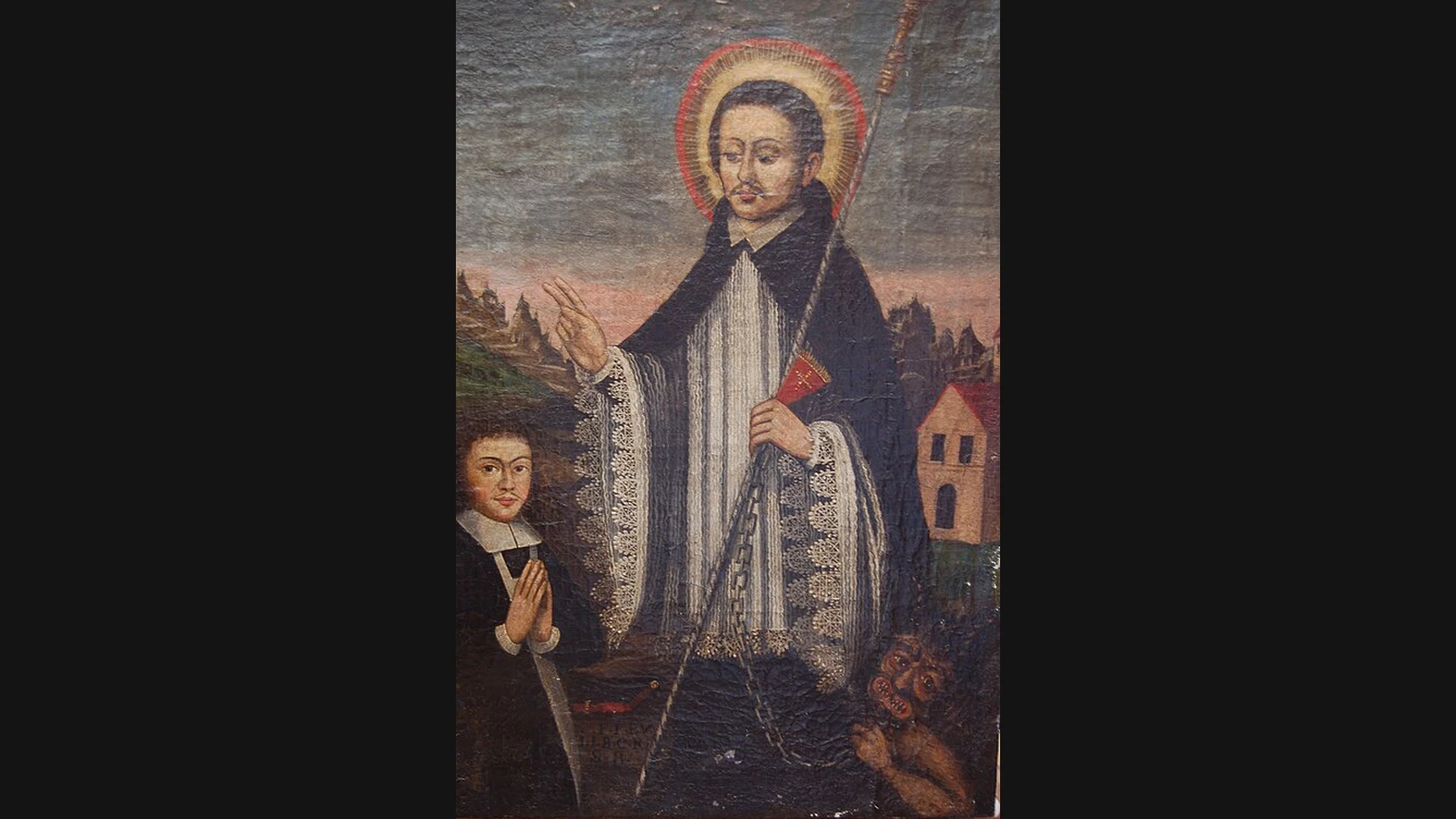
Two Alpine passes bear his name: the Great and the Little St Bernard. Yet little is known for certain about his life. Historians today separate the legend from what the documents say.
What we know
The only title the early sources give him is Archdeacon of Aosta, one of the chief officials of the diocese alongside the bishop. He lived in the 11th century.
He died in Novara, in northern Italy, and was buried in the church of San Lorenzo. In 1552 his relics were moved to Novara Cathedral. His feast day is 15 June.
What the legend says
A later tradition has him born in 923 into a noble family at the castle of Menthon, in Savoy: hence the name “Saint Bernard of Menthon”, by which he is often known. Historians consider this origin legendary. The date of his death is debated: scholars now lean towards 1081 at the earliest.
The pass hospices
The hospices of Mont-Joux, on the Great St Bernard, and Colonne-Joux, on the Little St Bernard, are recorded in the mid-12th century. Tradition links them to Saint Bernard, but the documents do not say directly that he founded them. In any case his name has remained tied to both passes and to the travellers who cross them.
He was entered in the Roman Martyrology in 1681.
Source: Treccani, Dizionario Biografico degli Italiani.
Main photo: Jpvoutaz, CC BY-SA 3.0, via Wikimedia Commons.
Comments