Séras
The ricotta of the Aosta Valley, made from the whey of fontina

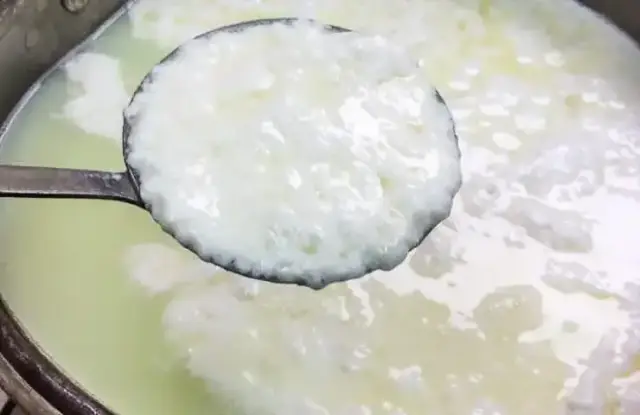
When fontina or toma is made, a yellowish liquid is left in the cauldron: the whey. The people of the Aosta Valley have never thrown this whey away. They use it to make séras, a fresh cheese of the same family as Italian ricotta.
Heating the whey
The whey still contains proteins. When it is heated they coagulate and rise to the surface in flakes. These are collected: this is séras.
The result is a fresh, creamy cheese, slightly ivory in colour. Its flavour is mild, a little tangy and delicately fragrant.
Séras is an old food. Because it is made from what is left over from cheesemaking, it was long an everyday food on farms and in the summer pastures.
Every day
Séras is used in many dishes.
- Plain, sliced, with polenta, boiled potatoes or a green salad.
- As an aperitif, seasoned with olive oil, pepper and fresh herbs, on wholemeal bread.
- In cooking, in an omelette, a quiche or pasta, for a lighter dish.
The basis of salignon
Séras is also used to make salignon, another cheese from the valley. It is mixed with garlic, oil, salt, chilli and flavourings: juniper, fennel, cumin. The result has more of a kick.
Where to find it
Séras is mainly made and sold in the Aosta Valley. You can find it at markets, in delicatessens and at some cheesemongers. A few producers also sell it online.