Tome de Gressoney
The Walser tome, made from the milk of the Lys valley's high pastures

The Lys valley, also called the Gressoney valley, runs up towards Monte Rosa. In summer the cows go up to the high pastures above the villages. Their milk is used to make Tome de Gressoney.
A Walser cheese
The valley is home to the Walser. This German-speaking people came from the Upper Valais, in Switzerland, in the Middle Ages. The Walser brought their customs with them, including cheesemaking. They learned to live in the high mountains and to make the most of what they offered.
The grass of the high pastures
The taste of the tome depends a great deal on the milk. On the high pastures of the Lys valley, the cows eat rich and varied grass that grows in the sun. Their milk is rich and creamy. It gives the cheese a pronounced flavour, which varies slightly from one pasture to another. According to the producers, altitude also plays a part: the mountain climate is said to favour certain micro-organisms that contribute to ripening.
From raw milk to the cellar
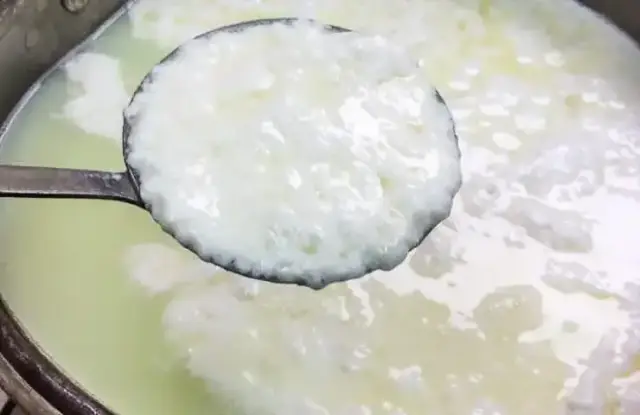
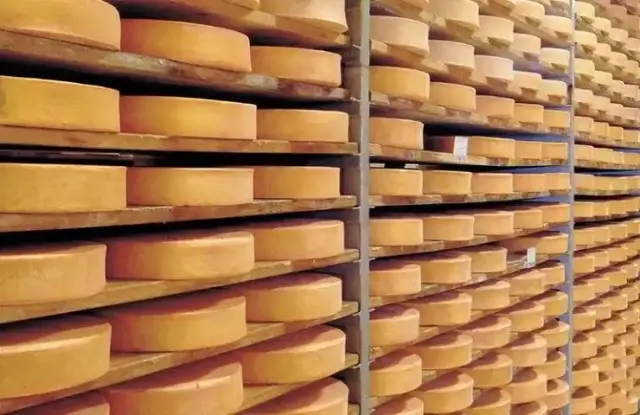
Production remains traditional. The raw milk is curdled at a low temperature. The curd is drained, then moulded by hand. The wheels are then matured in natural cellars, where their flavour slowly develops.
Hazelnut, butter and hay
The paste is firm and slightly grainy. It has notes of hazelnut, butter and hay. Other aromas appear with ageing: some detect mushroom, or even a hint of pepper. The older the tome, the more concentrated and complex its flavour. A young tome stays mild. A well-aged one has more character.
Where to taste it
The tome can be found in the two Gressoney municipalities, Gressoney-Saint-Jean and Gressoney-La-Trinité. It is served in restaurants. It can also be bought at the high-pasture farms or directly from the producers.