Butter
Cream butter in winter, brossa butter in summer, and melted butter for the store cupboard

In patois it is called lo beurro. Butter plays a central role in Aosta Valley cooking. The valley’s butter is made by hand, in the mountain pastures and in cooperative dairies. Its flavour depends on the grass of the pastures and on the work of the producers.
Winter and summer
There are two kinds of butter, depending on the season:
- Cream butter, made in winter. It is rich and smooth. It goes well with polenta.
- Brossa butter, made in summer. Brossa is obtained from the whey left over after cheese-making. This butter is lighter and fresher. It suits savoury dishes and cooking.
From cream to churn
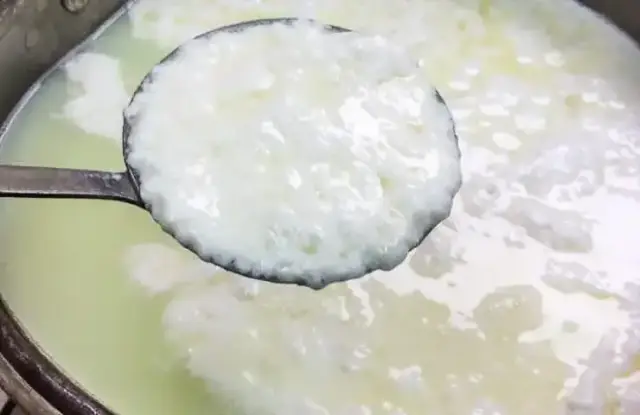
The milk is first left to stand for several hours. The cream rises to the surface. It is skimmed off and poured into a churn. It is then agitated until the butter separates from the buttermilk. This work takes time and patience.
Beurro colo
Fresh butter does not keep well. To have it all year round, farmers made beurro colo, a melted and strained butter. It was heated, then strained to remove the water and impurities. This clarified butter kept for a long time. It was a staple in the valley’s homes.
On today’s tables
Aosta Valley butter is still much appreciated for its flavour. It is used in traditional recipes, but also in more modern cooking.