The Ayasse
The torrent of the Champorcher valley, a modest tributary of the Dora

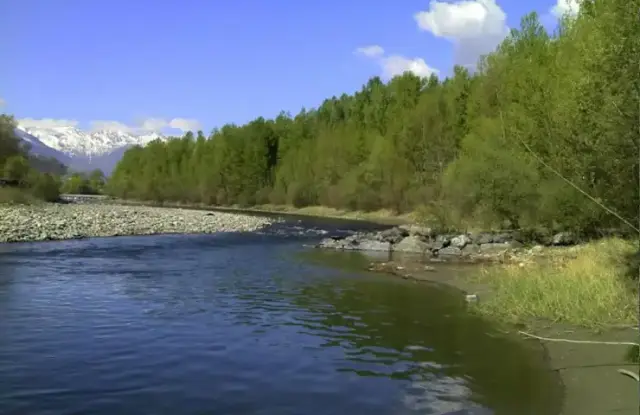
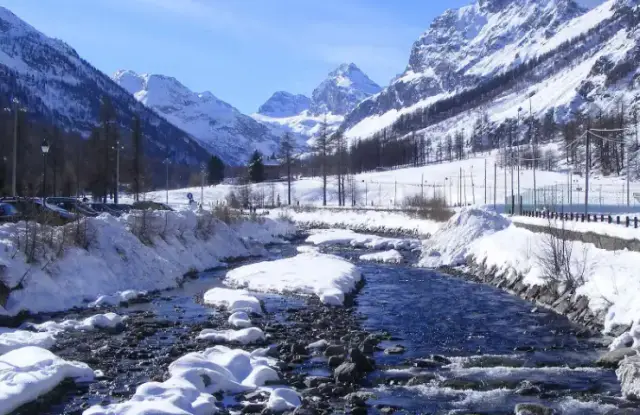
Few visitors know the name of the Ayasse. Yet it is this torrent that carved out the Champorcher valley. It flows down from the mountains that separate this valley from the Cogne valley, then joins the Dora Baltea at Hône, in the lower valley. Its valley remains away from the main tourist routes.

Life in the water and along the banks
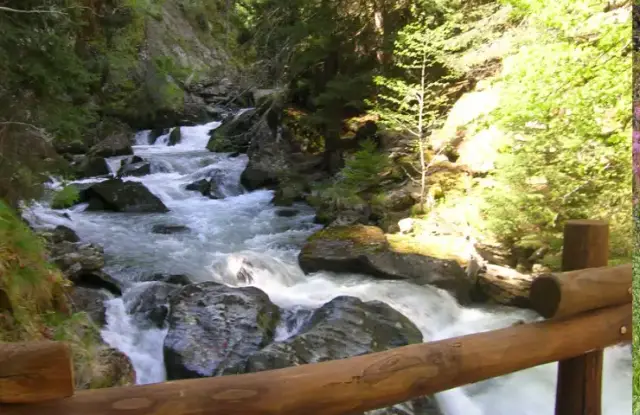
The clear water of the Ayasse is home to brown trout and many aquatic insects. These species need clean, cool water: their presence shows that the torrent is in good health.
The banks are wooded with larch, spruce and other conifers. Higher up, the alpine meadows flower in spring and summer. Botany enthusiasts will recognise many wild flowers there, some of which grow only in the mountains.
Mills, sawmills and forges
For centuries the inhabitants made use of the torrent’s power. Grain mills, sawmills and forges were built along the water. Some of these buildings have been restored and show how people lived and worked in the valley in the past.
In the 20th century hydroelectricity transformed the valley. Dams and penstocks were built to generate power. These works altered the course of the torrent. They also brought income to the region.
Paths, lakes and trails
A network of waymarked paths runs through the valley, from dense forest up to the high pastures. Fit walkers can choose more demanding routes that climb to the high-altitude lakes. The best known is Lake Miserin, at the foot of the Fenêtre de Champorcher pass. From up there, the view reaches far across the surrounding peaks.
Mountain bikers also have many routes, for all levels. They offer another way of seeing the valley, linking the hamlets and the high pastures.
Anglers, finally, come for the brown trout. The Ayasse has a reputation for holding good populations of them.
An area to protect
Part of the upper valley lies within the Mont Avic nature park. Protecting this environment is an important issue, as visitor numbers are rising. Strict regulations protect the wildlife and plants. Information campaigns explain to visitors how to limit their impact. The aim is to keep the torrent clean and its banks unspoilt.