The Aosta Valley Resistance (1943-1945)
Against the occupiers and fascism, for freedom and self-government
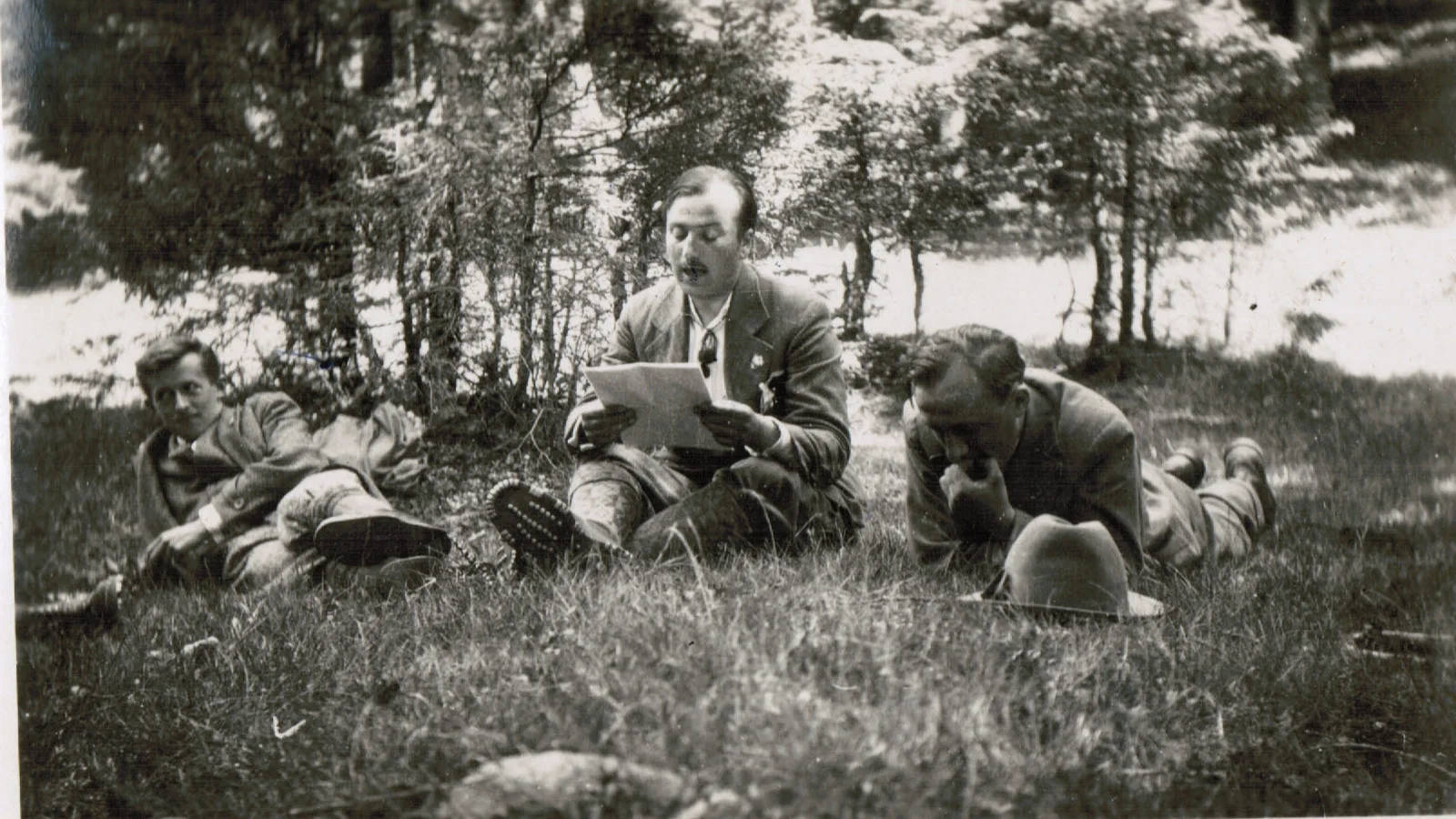
For the people of the Aosta Valley, the Resistance was not only a fight against the German occupiers and fascism. It was also a struggle to win back their freedom, their language and their self-government. Today’s Autonomous Region was born of that struggle.
A committee formed in 1941
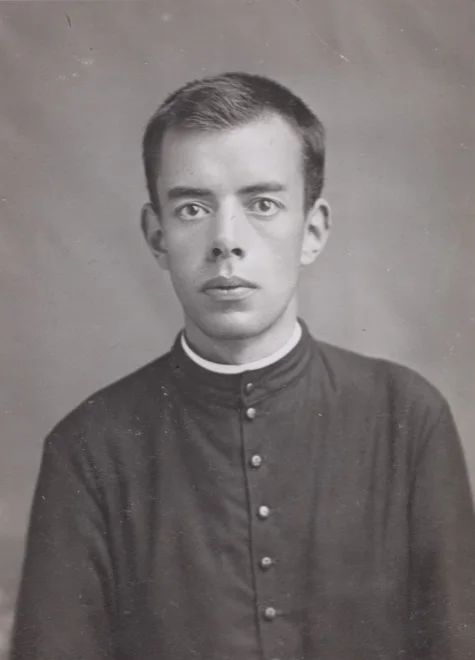
The decline of French in the valley did not begin with fascism: it had been under way since the unification of Italy. But fascism took it much further, trying to wipe out the valley’s identity: hamlet schools closed, French removed from schools and public life. As early as 1941, shortly after the death of Abbé Joseph-Marie Trèves, an Aosta Valley Liberation Committee was formed.
The German occupation
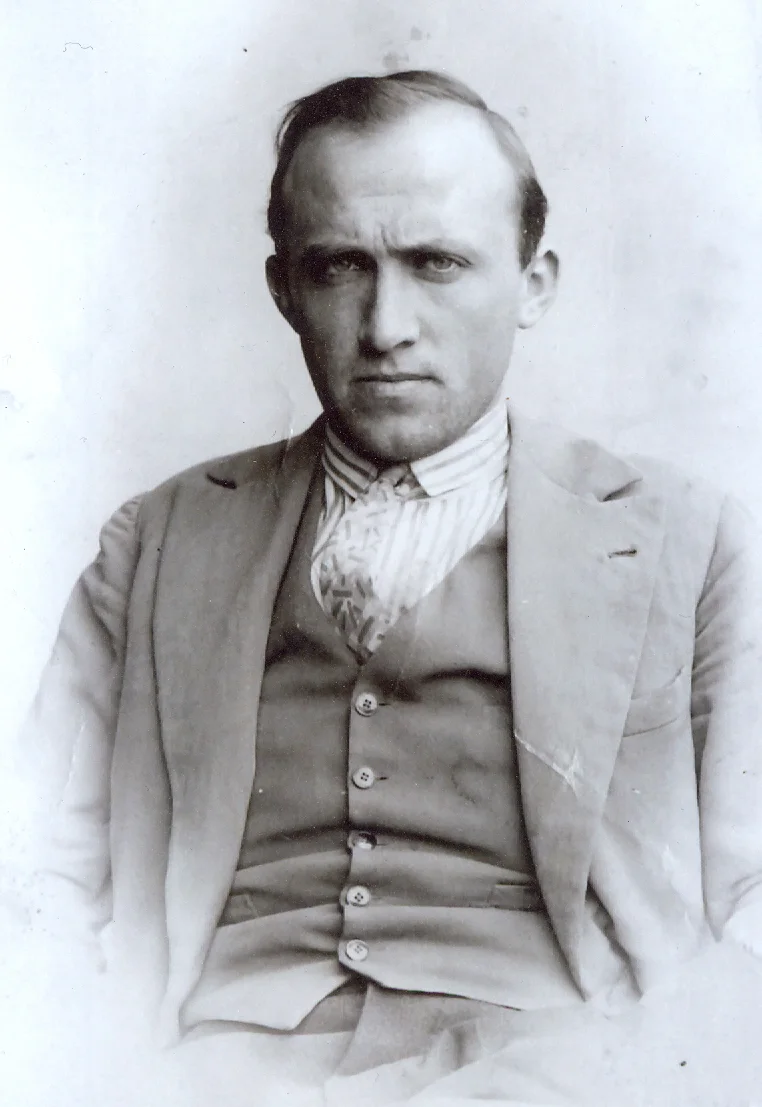
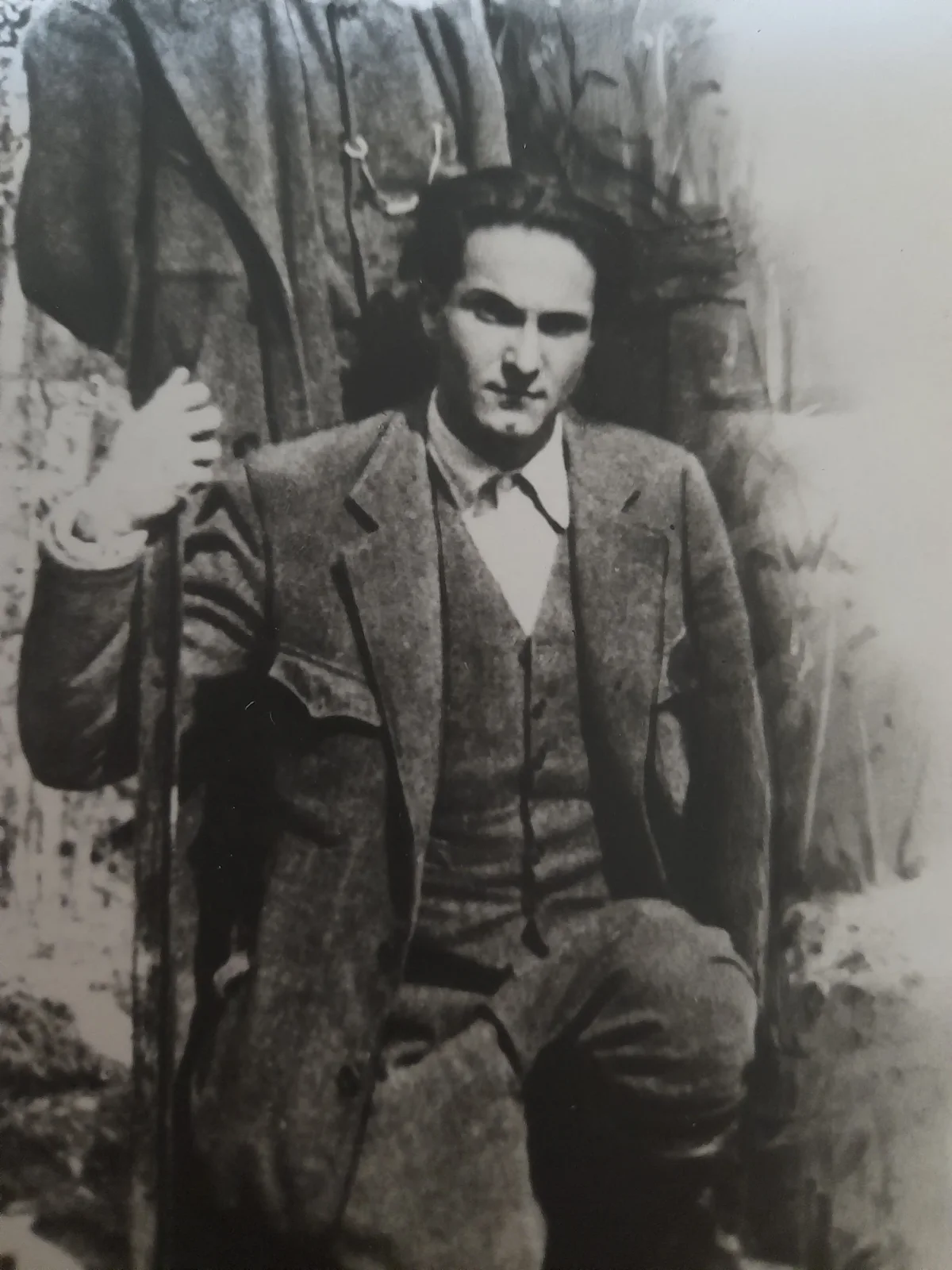
After the armistice of 8 September 1943, the German army occupied northern Italy. Soldiers of the 4th Alpine regiment left their barracks, and German troops moved into the valley. In the autumn Émile Chanoux, back from Chambéry, renewed contact with the anti-fascists. He became the recognised leader of the Aosta Valley Resistance, with Amédée Berthod, Lino Binel, Joseph Bréan, Guglielmo Caracciolo, Enrico Chantel and Cesare Olietti among others.
The partisan bands
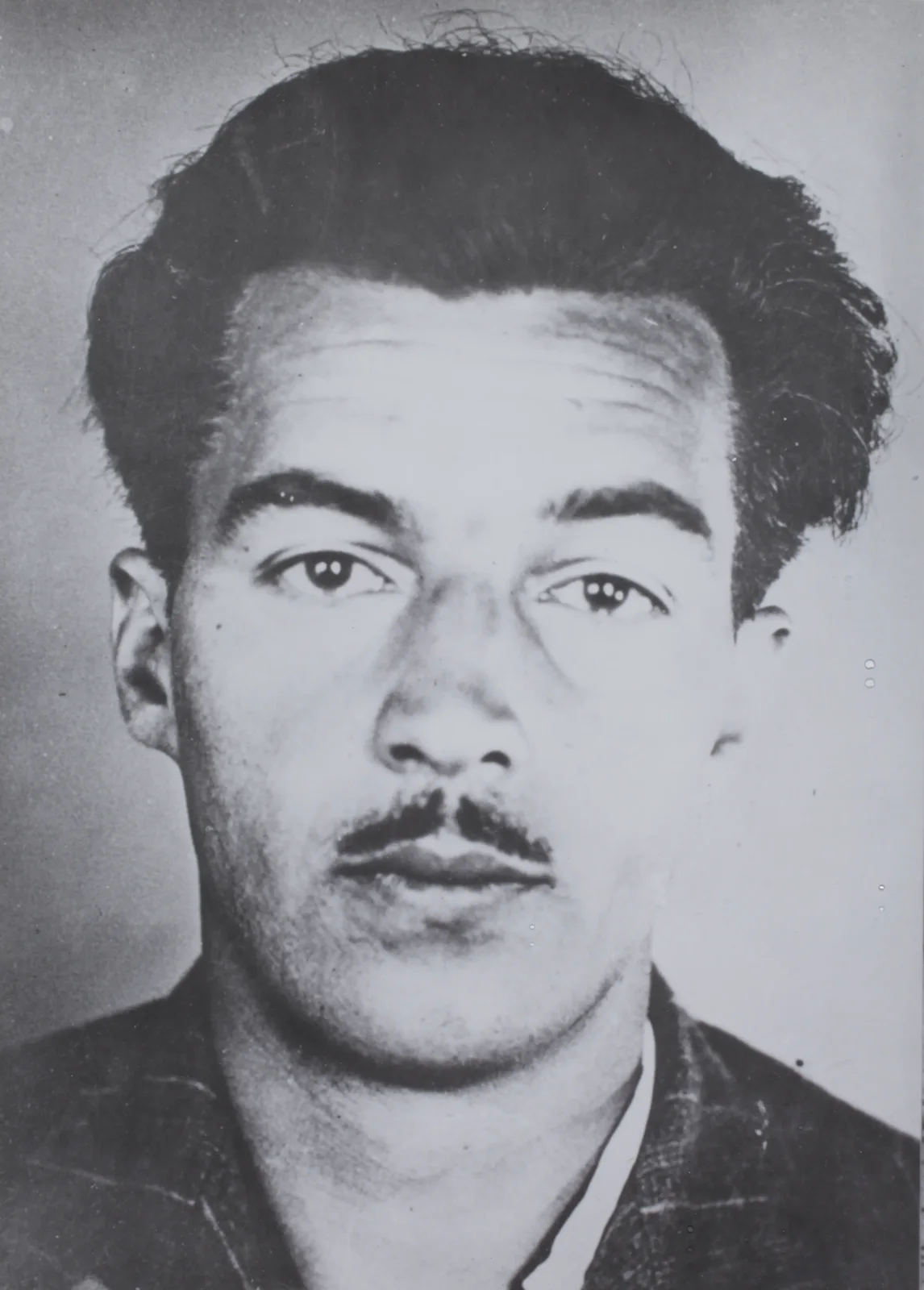
In early 1944 the groups multiplied. Among the first was the “La Suelvaz” band, led by Émile Lexert, known as “Milò”. Others followed: “Tito” in Valtournenche, “XIII° Chanoux” in Trois-Villes, “Edelweiss” in Fénis, “Monte Zerbion” in Châtillon. “Giustizia e Libertà” and “Garibaldi” brigades were also active, particularly in the lower valley.
The partisans helped escaped Allied prisoners and sabotaged power stations, telephone lines and transport routes. The repression was terrible: executions, arrests, deportations to the camps, villages burned. Chanoux, concerned for civilians, preferred to avoid armed actions that brought reprisals.
Chivasso, December 1943
On 19 December 1943, Chanoux and Ernest Page met in secret in Chivasso with representatives of the Waldensian valleys of Piedmont. They signed a declaration calling for self-government for the Alpine valleys and defending a federal state as “the only guarantee against a return of dictatorship”. Federico Chabod, who could not attend, sent his notes.
18 May 1944
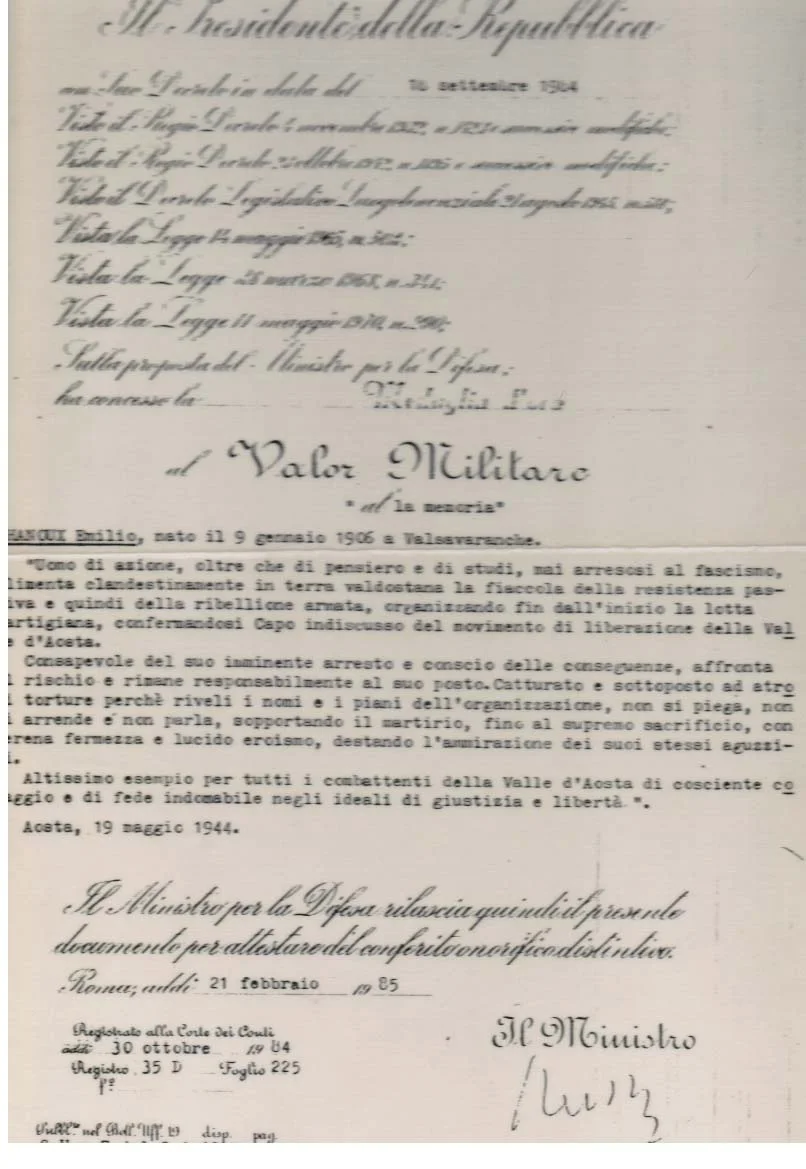
On 18 May 1944 the fascist police arrested Chanoux and Lino Binel. Chanoux died that night under torture. Binel was deported to a labour camp in Germany. The Aosta Valley committee was largely broken up, and the Resistance lost the leader who could have given it a common direction.
The Liberation
On 28 April 1945 the partisans entered Aosta. The Liberation Committee appointed Alessandro Passerin d’Entrèves prefect and Carlo Torrione mayor. But French troops, who had come in the day before over the Little St Bernard and the Rhêmes pass, also occupied the valley, and some called for union with France. Tension eased only after US President Truman intervened: the French soldiers withdrew on 24 June 1945.
From Resistance to self-government
The self-government promised during the struggle came in stages. On 7 September 1945 two decrees created an autonomous district, with its own Council, President and Government. Judged too limited by many, this first autonomy led to the founding of the Union Valdôtaine. Three years later, in 1948, the Aosta Valley obtained its Special Statute.
Further reading
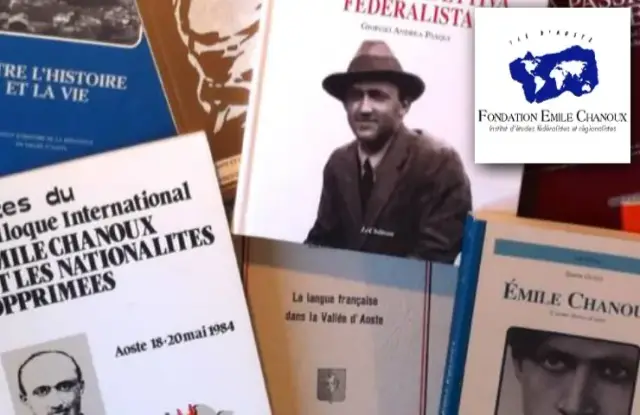
The Historical Institute of the Resistance and Contemporary Society in the Aosta Valley holds archives, testimonies and publications on this period.
Sources: Autonomous Region of the Aosta Valley, The Resistance, The martyrdom of Chanoux, The Chivasso Declaration, The Liberation and The 1945 decrees.
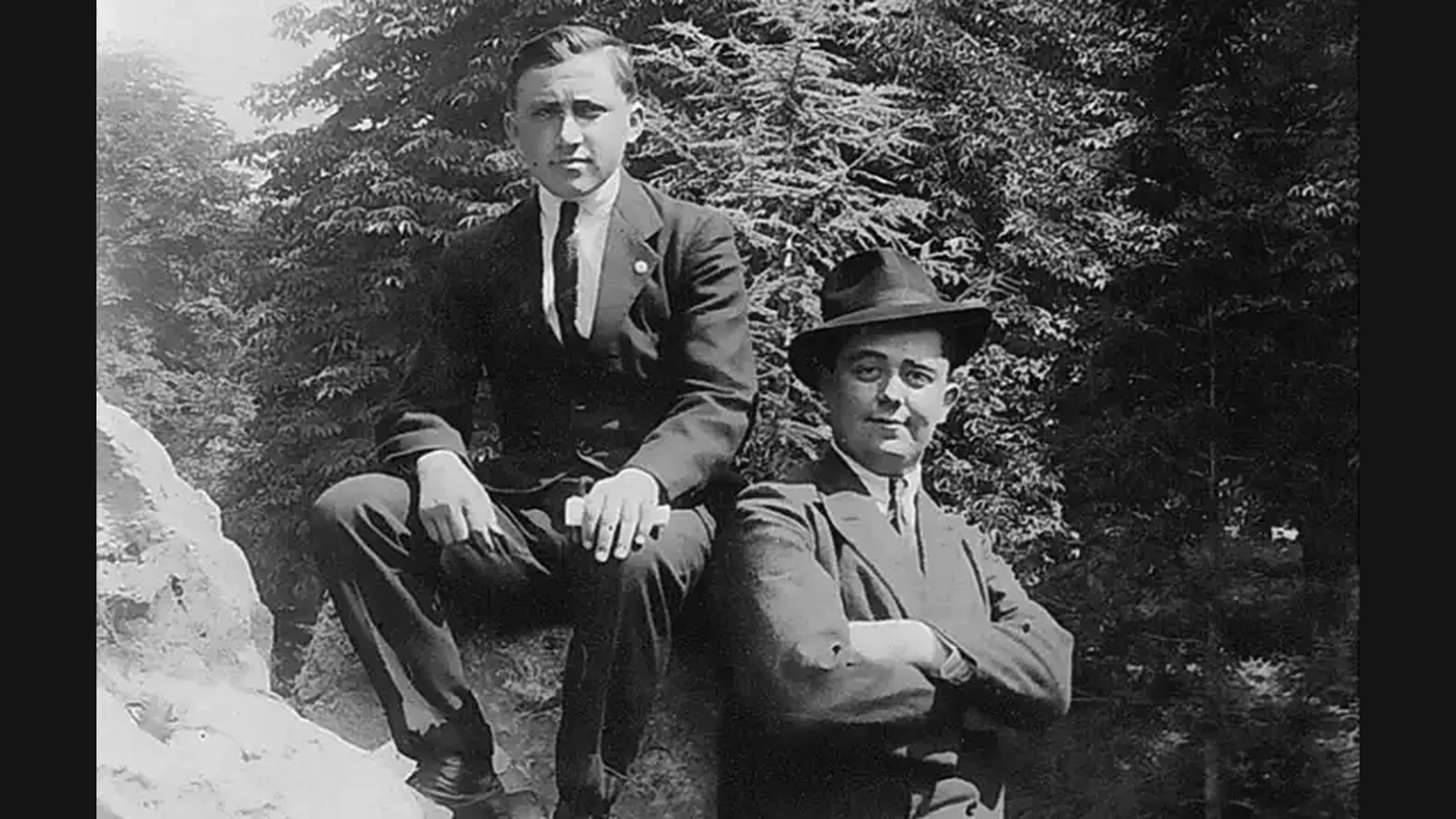
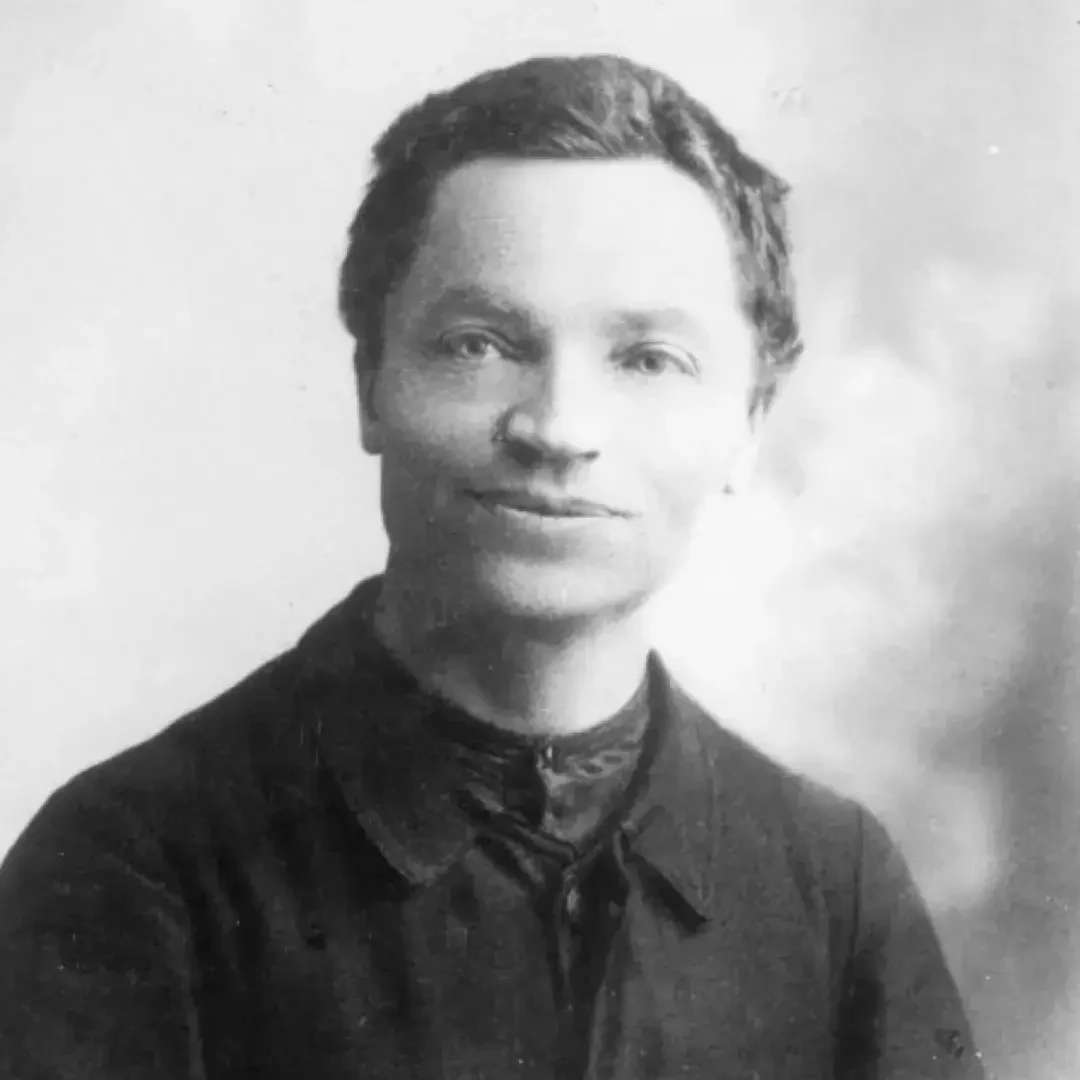
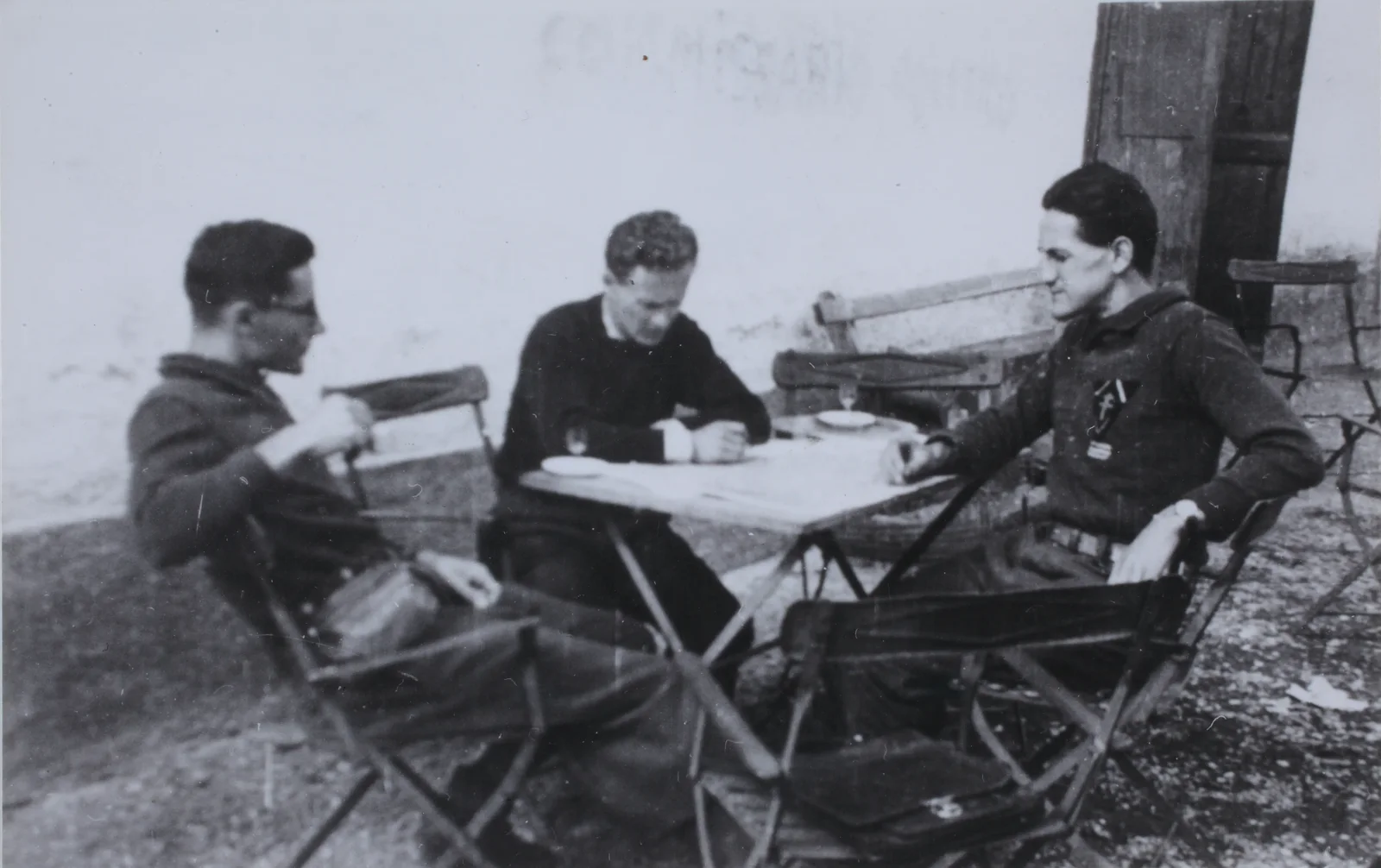
Historical photographs: kindly provided by the Institute for the History of the Resistance and Contemporary Society in the Aosta Valley.
Comments