Génépi
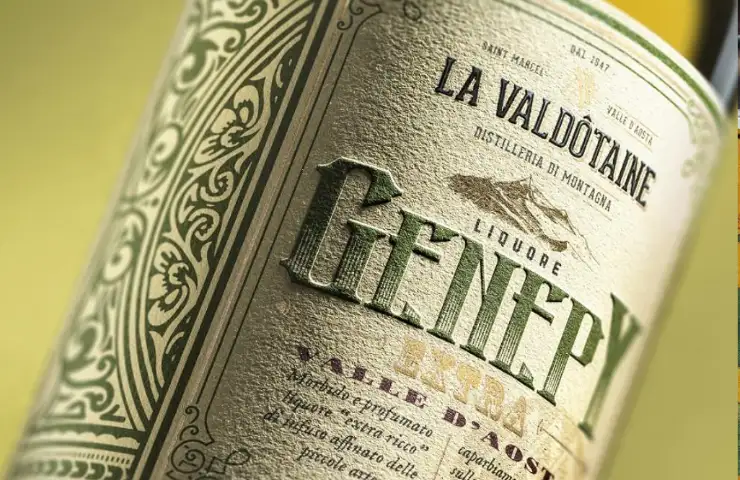
At the end of a meal in the Aosta Valley, a small glass of génépi is often served. This liqueur is made from plants that grow high in the mountains. It is drunk as a digestif.
High-mountain wormwoods
The word “génépi” first of all refers to plants: several species of wormwood (Artemisia), of the aster family, that grow at altitude. The liqueur is made from their flowering stems. Two species are mainly used:
- Glacier génépi (Artemisia glacialis): it grows on moraines, the heaps of stones left by glaciers, above 2,000 metres.
- Black génépi (Artemisia genipi, described by the botanist Weber, hence the name “génépi Weber”): it gives the liqueur part of its balsamic aroma.
The liqueur often has a yellowish-green colour, which comes from the plants.
How it is made
- Picking: the plants are gathered high in the mountains, sorted and then dried.
- Maceration: the best parts of the dried plants are steeped in alcohol for several days.
- Finishing: sugar is added to make the liqueur. Some producers also distil the flavoured alcohol before sweetening it.
When it comes to drinking it
Génépi is sipped slowly after the meal. Its taste is full and fragrant. It is the usual way to end a mountain meal.