Grappa
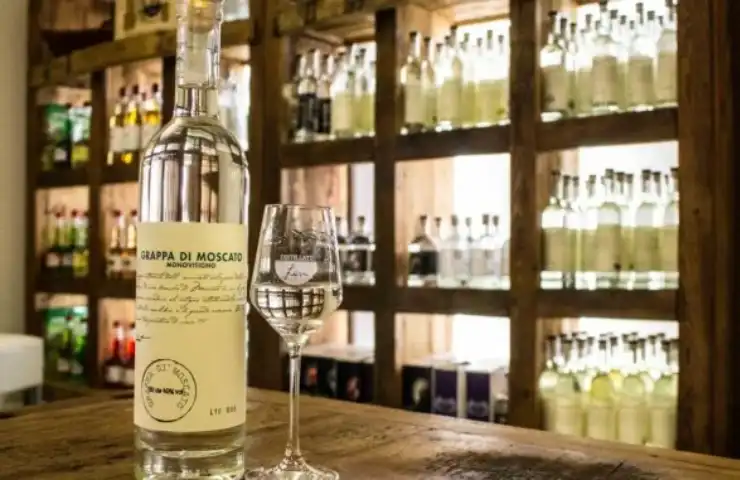
After the harvest and the pressing, the cellars are left with a heap of skins, pips and stalks. This is the grape pomace. Distilling it produces a spirit: grappa. In the Aosta Valley, as in the rest of Italy, it is part of the table.
A peasant drink turned speciality
Grappa has been distilled in the Aosta Valley for several centuries. For a long time it was a rustic drink, made for the household. Over time its quality improved, and today it is regarded as a local product in its own right.
The pomace and the still
Grappa from the Aosta Valley is mainly made from the pomace of local grape varieties, such as petit rouge, prié blanc or fumin. Good pomace is the first requirement for a good grappa.
Distillation is traditionally carried out in copper stills. This is the most delicate stage: the distiller has to keep the best aromas of the pomace and set the others aside.
What you smell in the glass
Aosta Valley grappa has intense aromas. There are often notes of fruit, flowers and herbs. Depending on the type, it can also take on notes of wood or spice.
How to serve it
It is served at room temperature, in a tulip-shaped glass. It is mostly drunk as a digestif, after a meal. It is also used to flavour coffee: that is the idea behind “caffè alla valdostana”, coffee Aosta Valley style.
Nothing wasted
For wineries, grappa is a way of using the pomace, which would otherwise be waste. It keeps distilleries going and preserves skills handed down over a long time. It also appeals to visitors who enjoy spirits.