The Natura 2000 network
Thirty protected sites, nearly a third of the region

Nearly a third of the Aosta Valley is part of the Natura 2000 network. The name often appears on signs beside the paths. Here is what it covers.
A European network
Natura 2000 is a network of natural or semi-natural sites created across the European Union. The sites are chosen for the animal and plant species they shelter, or for their natural habitats. The aim is to protect biodiversity while taking account of the economic, social and cultural activities of each place. So not everything is banned there: uses are regulated.
The figures in the Aosta Valley
- 30 Natura 2000 sites;
- about 30% of the region’s territory;
- nearly 98,000 hectares in all.
Some of the sites
Gran Paradiso National Park is the best known. It is the oldest national park in Italy, and it was here that the Alpine ibex was saved. See our article on Gran Paradiso.
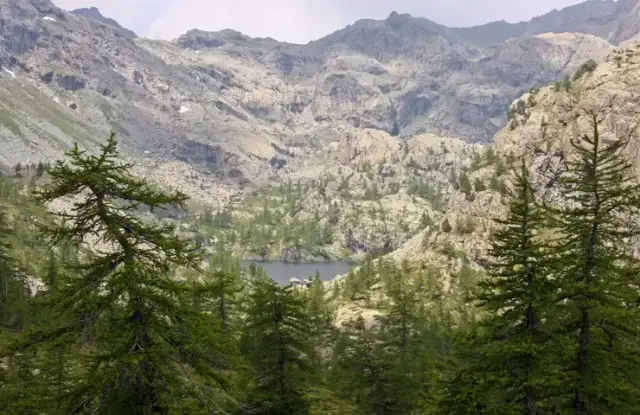
The Mont Avic Nature Park, a regional park, is known for its mountain pine forests.
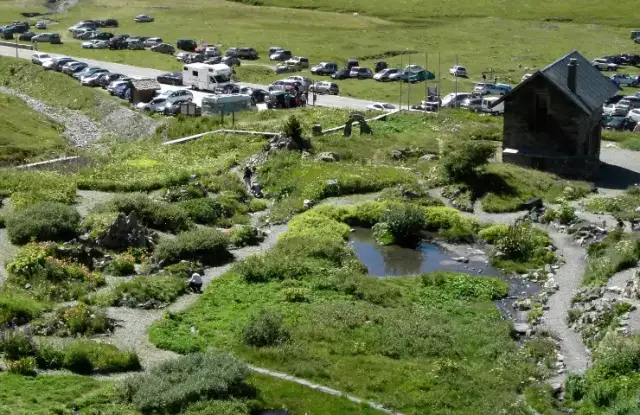
The network also includes wetlands, which are fragile and small in extent. The Loson pond is one example.
Plants and animals
The region’s very varied terrain explains the number of species. Among the plants are edelweiss, gentians and rare orchids. Among the animals are the ibex, the chamois, the golden eagle and the bearded vulture.
What management has to balance
Managing these sites raises several problems. Nature conservation has to coexist with tourism and farming. The effects of climate change also have to be dealt with, and both residents and visitors need to be told why these areas are protected. The Region works on these questions with scientists and with the municipalities.
For visitors
For walkers, many Natura 2000 sites can be reached by footpaths. Depending on the season, you may come across chamois, marmots and mountain birds. Some sites offer activities for discovering the Alpine environment.