Institut Agricole Régional
The farming school that saved the Aosta Valley’s grapes
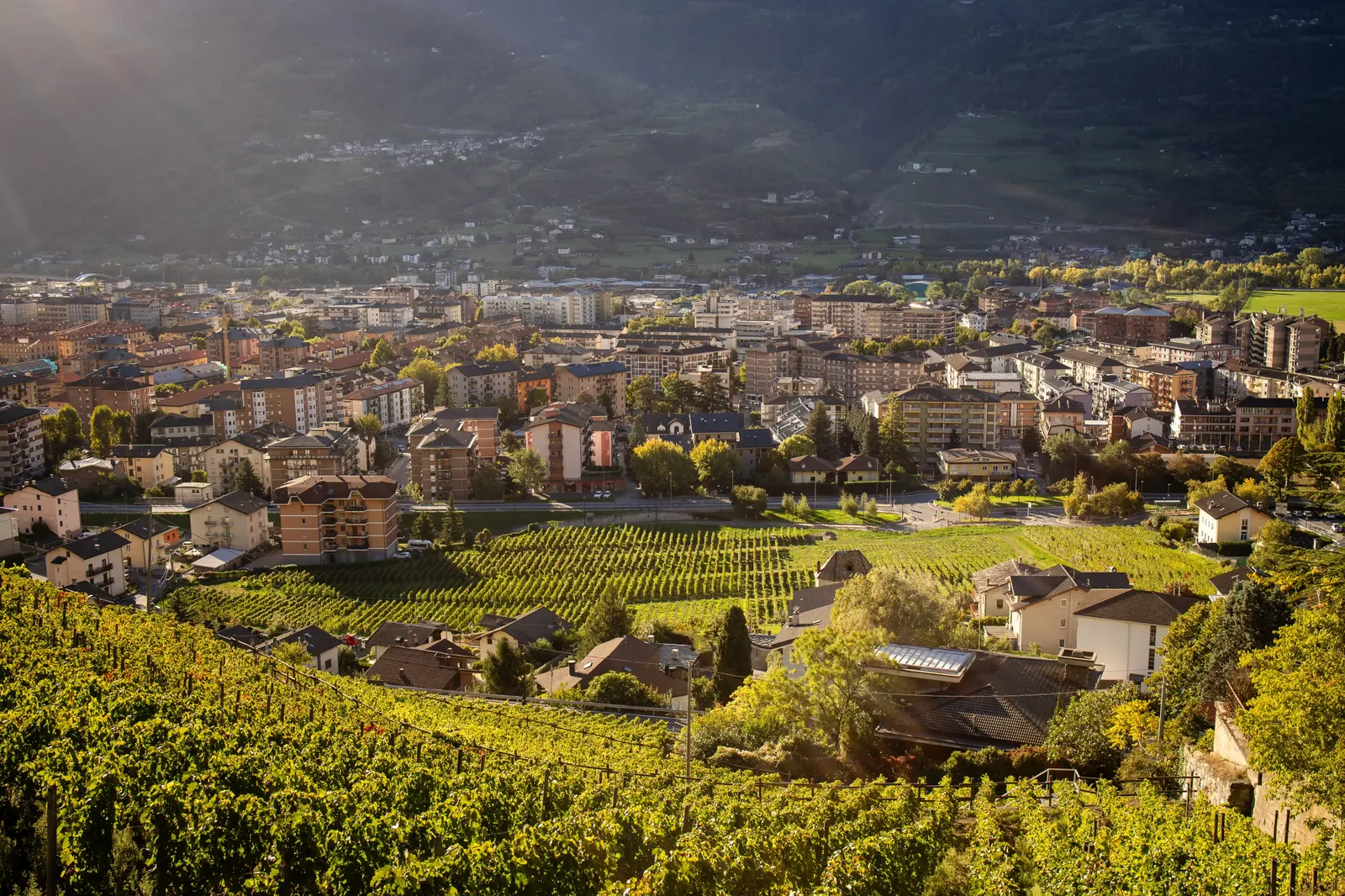
The Institut Agricole Régional, in Aosta, is the valley’s agricultural school. It was founded in 1951. The Region entrusted its management to the canons of the Great St Bernard.
The canon of forgotten grapes
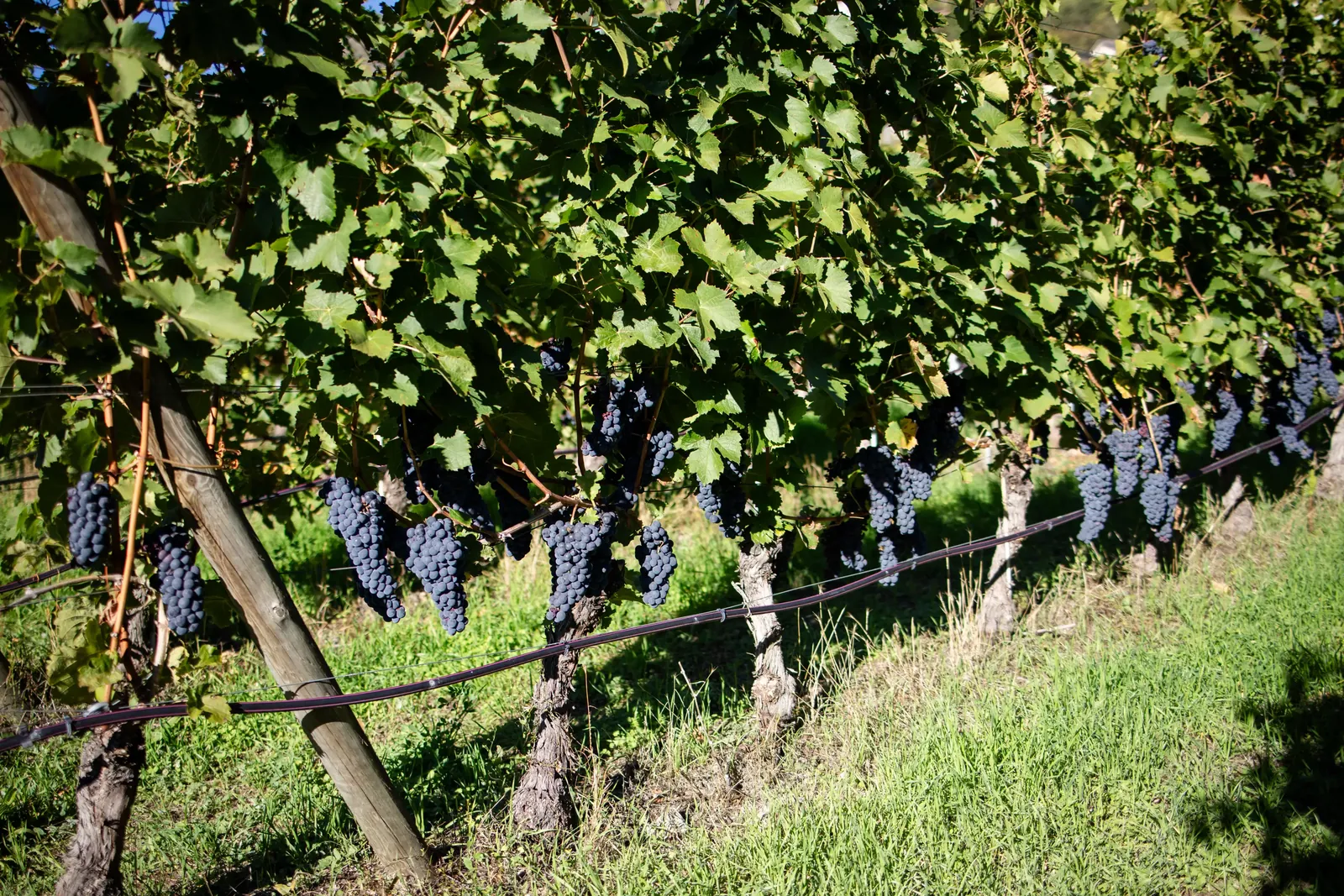
In 1959, Canon Joseph Vaudan, born in the Valais, became head of the school. In 1969, he set up an experimental winery. In the 1970s, he travelled the valley in search of old grape varieties that had almost disappeared: fumin, petit rouge, cornalin… He found them in abandoned vineyards and farms, and replanted them.
While working extensively on native grape varieties, he also taught Aosta Valley winegrowers how to make great wines, showing that international varieties could be grown on our terroirs as well. These are now the basis of Aosta Valley ampelography (Pinot Noir, Pinot Gris, Petite Arvine, etc.).
A winery that teaches
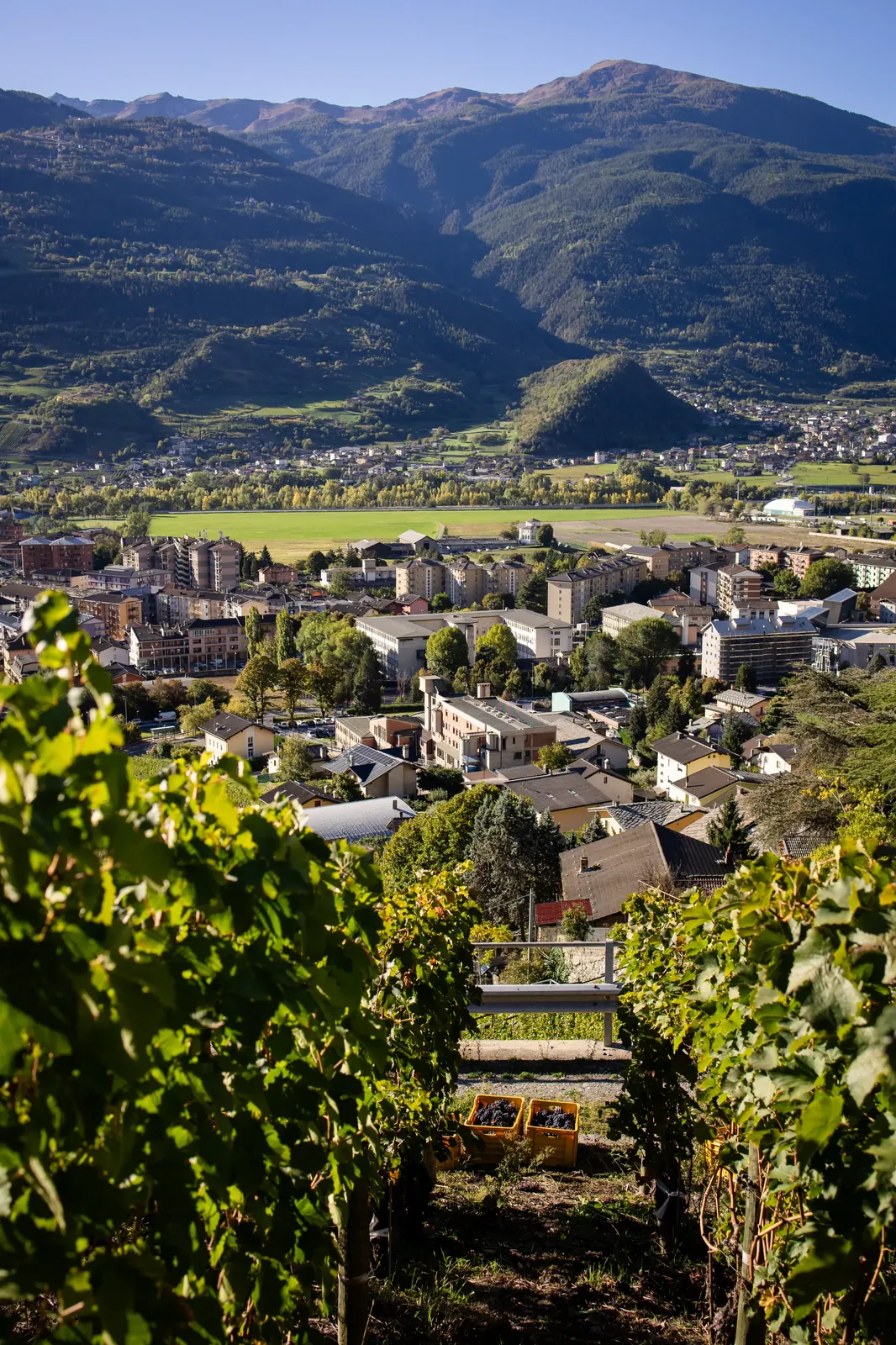
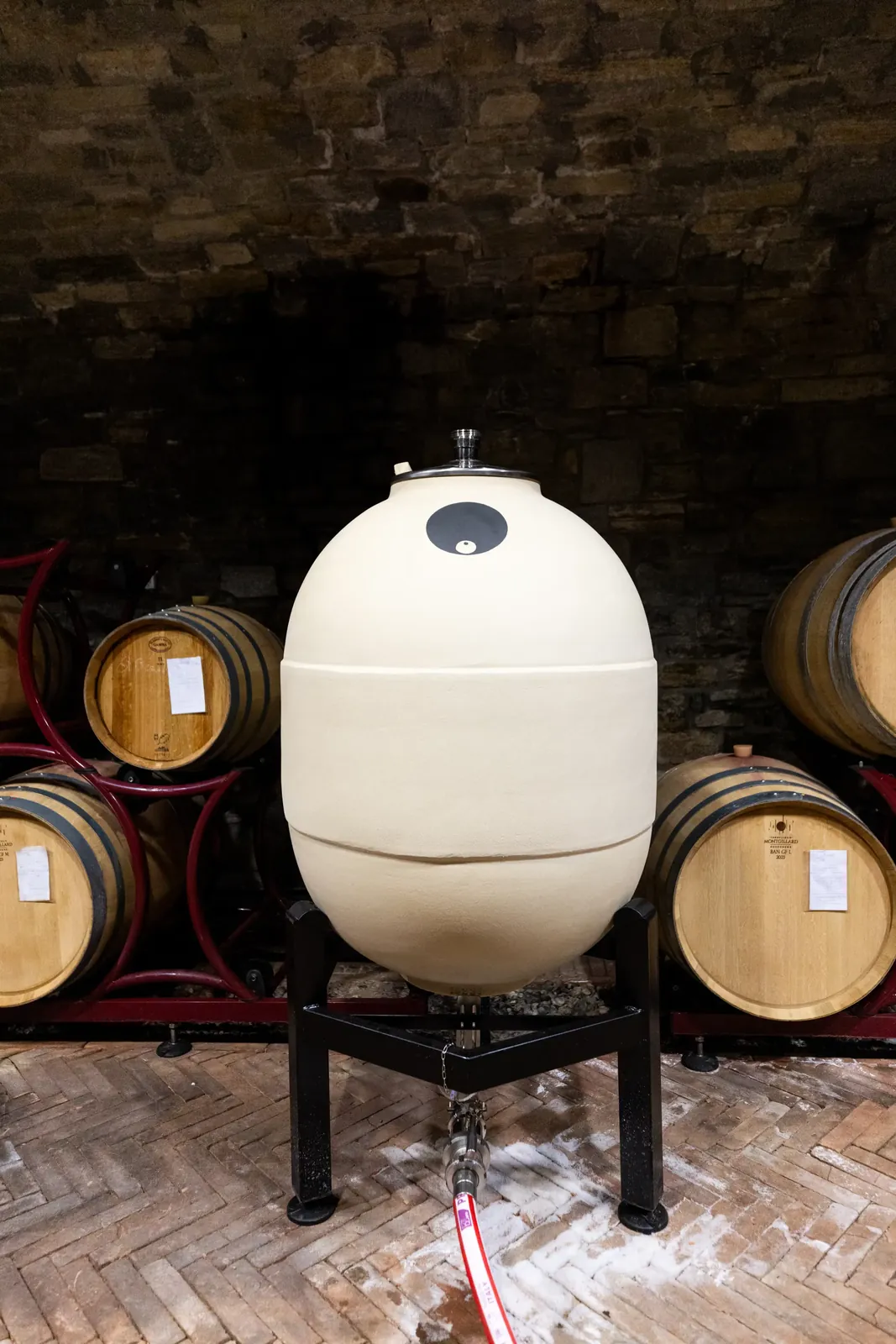
It is a teaching winery. Students learn the trade here, and researchers carry out trials of grape varieties and small-scale winemaking. The vineyards, about seven hectares, are spread around Aosta.
The wines
- Whites: Petite Arvine, Pinot Gris.
- Reds from the valley: Fumin, Cornalin, Vuillermin, Petit Rouge.
- Other reds: Gamay, Pinot Noir, Syrah.
- Blends with old-time names: “Vin des Chanoines”, “Vin du Prévôt”, “Rosé du Coteau”, “Blanc du Prieur” and “Perce-neige”, as well as the “Cuvée Saint-Bernard”.
- The Sang des Salasses: 100% Pinot Noir aged in barrique (whereas the standard Pinot Noir is aged only in stainless steel tanks).
- A sparkling wine, “Monchoisi”.
How to find them
Institut Agricole Régional
Région La Rochère, 1/A
11100 Aosta (AO)
+39 0165 215 811 · iaraosta.it
Sales at the winery on weekdays. Guided tours on weekdays, by reservation, except during the harvest.
Photos: Evi Garbolino.
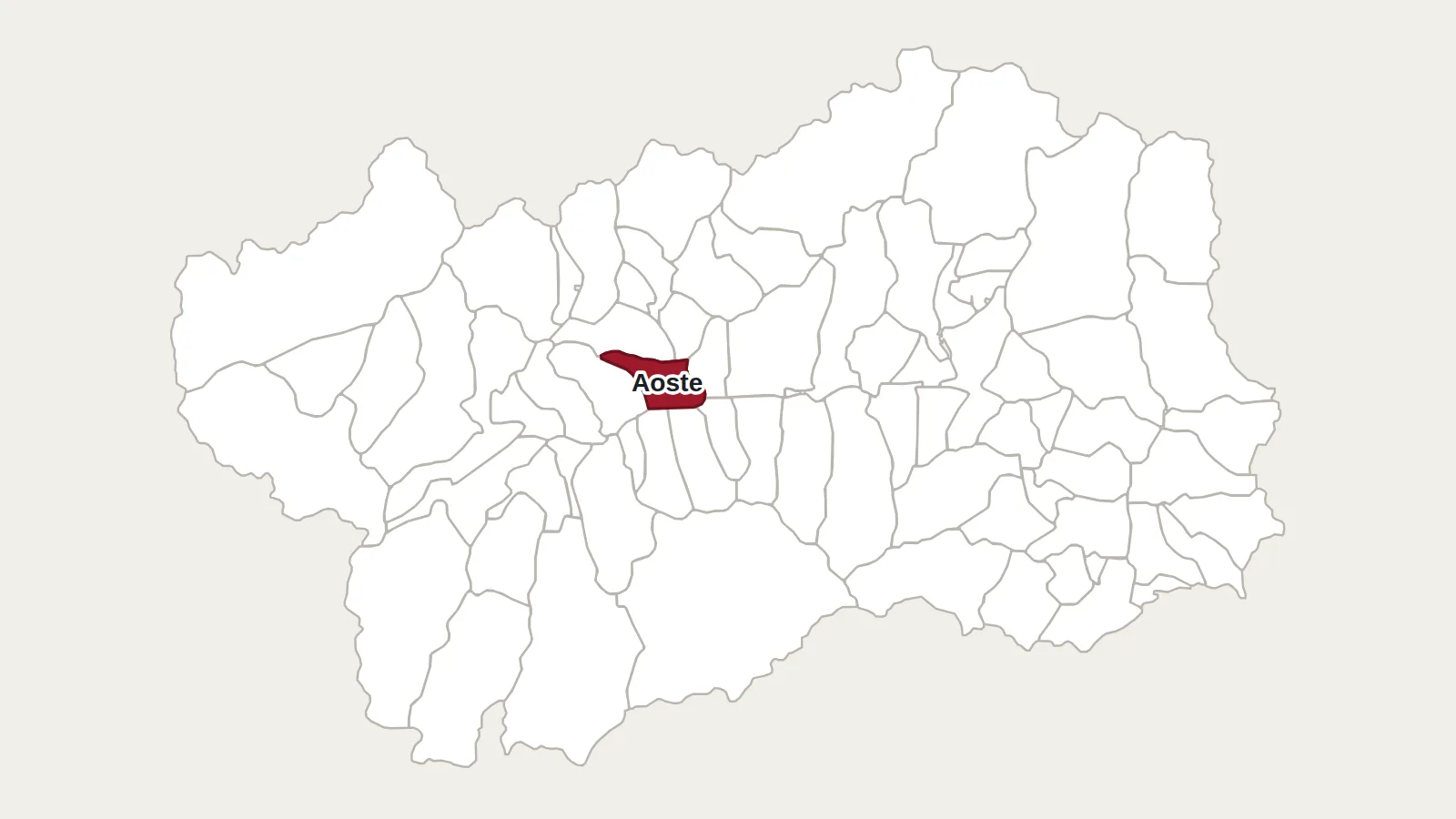
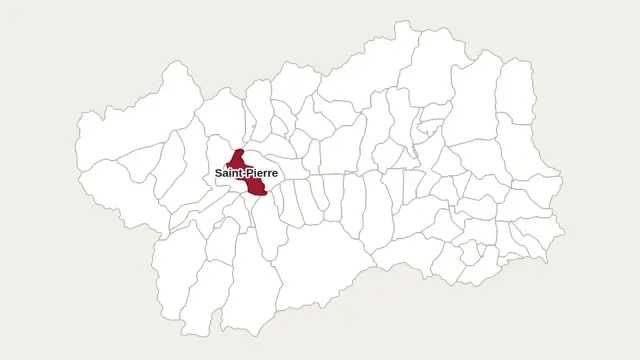
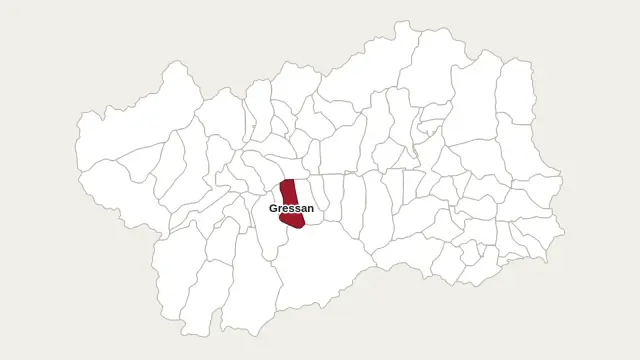
Maps: personal work by Marc Badjou.
Comments