Maison Vagneur
Mountain vines brought back to life at the foot of the Saint-Nicolas bell tower
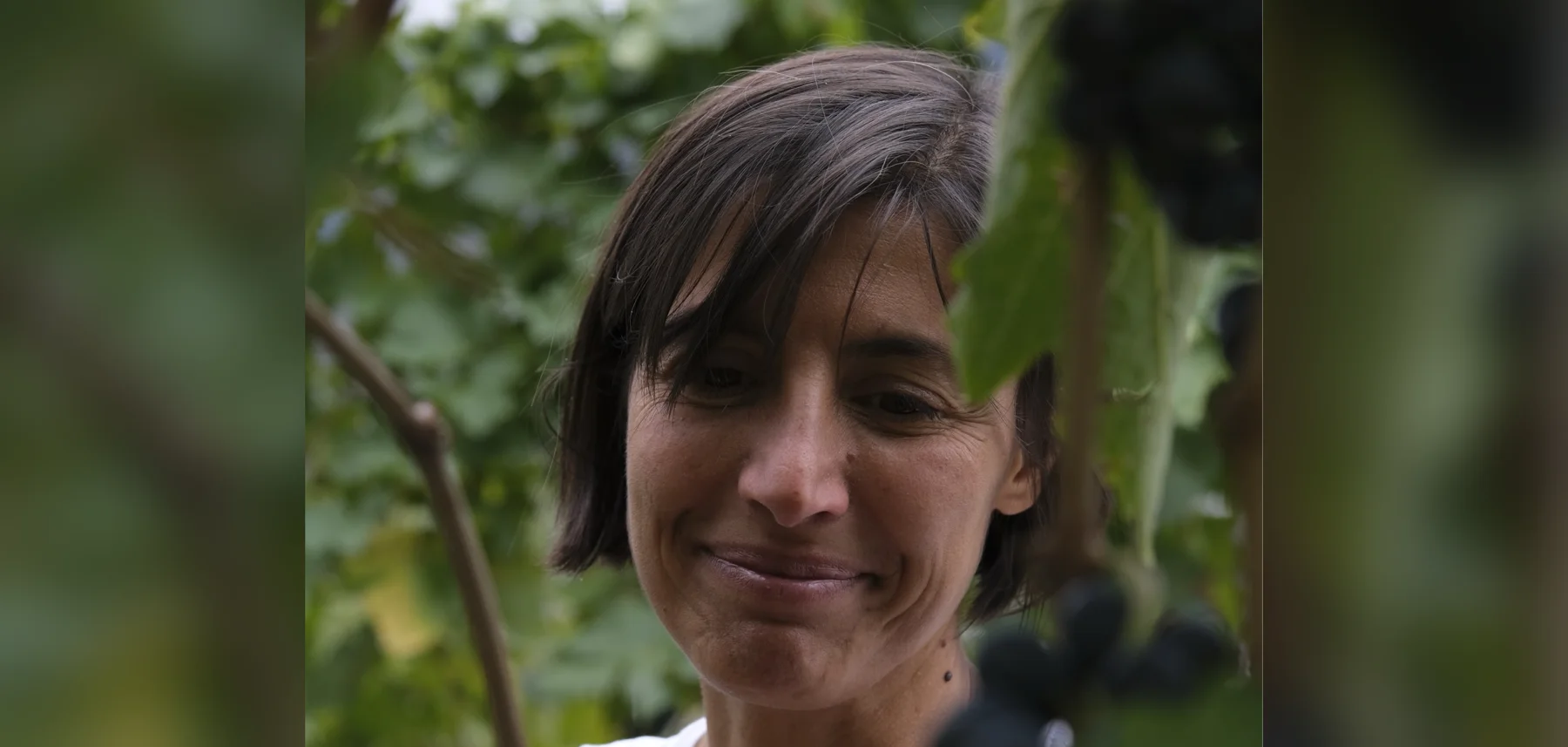
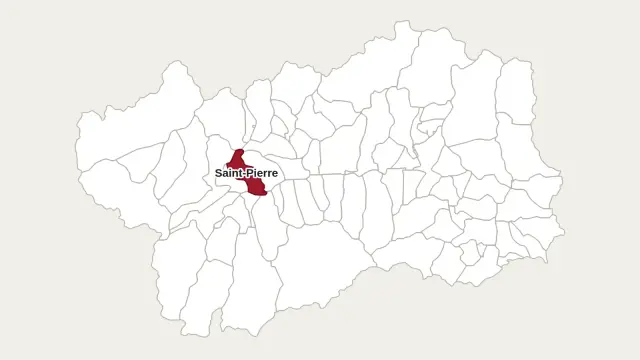
In Saint-Nicolas, on the sunny slope above the Dora Baltea, the Vagneur family took a gamble: to bring back to life land that was once planted with vines and then abandoned, and to restore old orchards. Maison Vagneur is a young family estate, but it continues a long farming history.
Land handed down from father to son
This land has passed down through the generations. Until about 1900 the whole hillside was cultivated; it was then almost entirely abandoned. The last person to make wine here was an uncle of the family, who was already producing a well-regarded wine in the mid-twentieth century. The plots were tiny, sometimes only a few dozen square metres, and no heir wanted to part with them: a sign of the quality of this land.
Restoring the vineyard took years. Very fragmented properties had to be brought together. The dry-stone walls, the terraces and the old buildings were kept.
A balcony over the valley
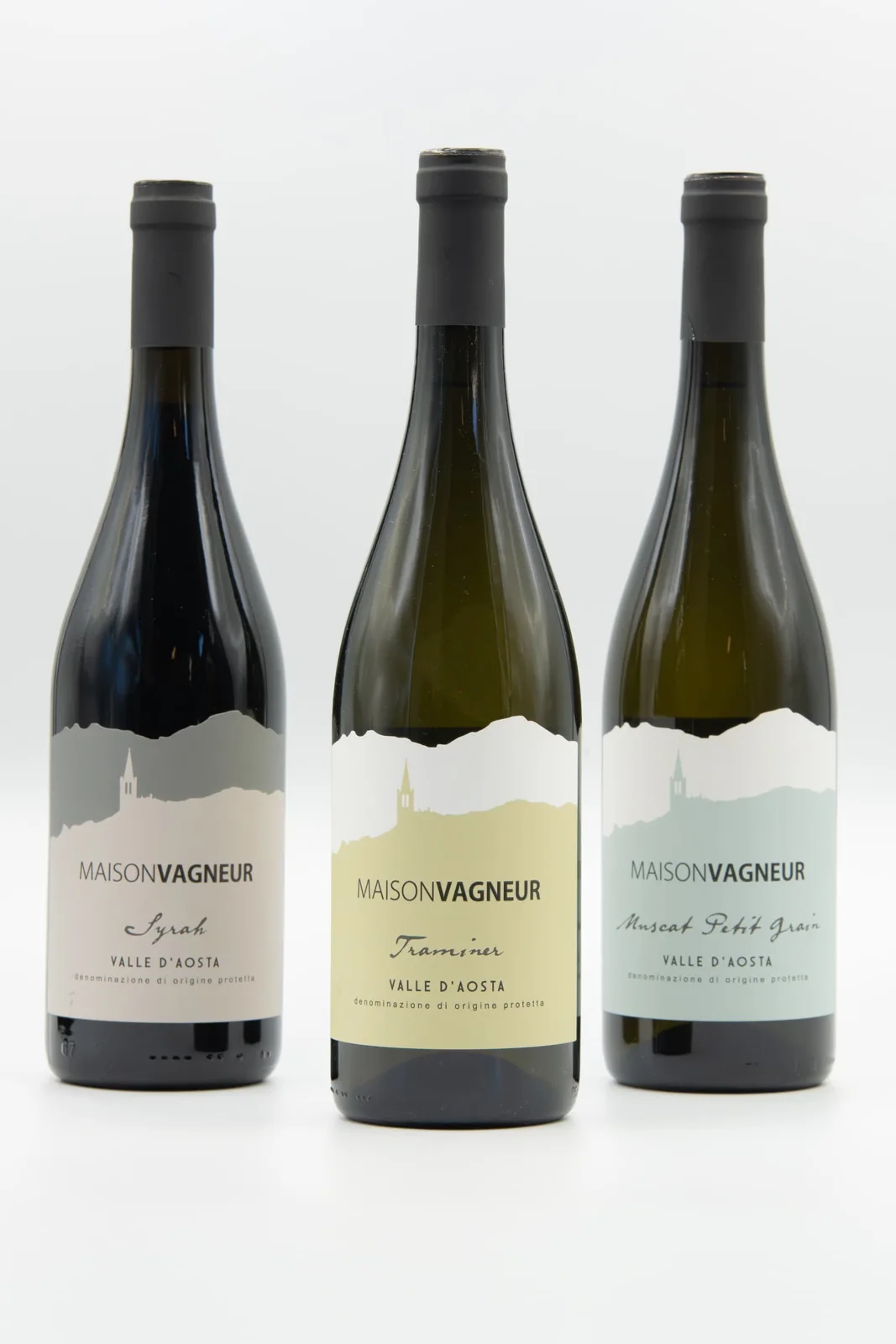
The vines face south, at around 800 to 900 metres, on the left bank of the Dora Baltea. To the west lie the vineyards of the Enfer d’Arvier, to the east those of the Torrette. Opposite open the valleys of Cogne, Valsavarenche, Rhêmes and Valgrisenche, with the Grivola and the glaciers of the Ruitor. The nearby bell tower of Saint-Nicolas inspired the estate’s labels.
Mountain viticulture
The roughly 7,000 m² of vineyard at Maison Vagneur are the only ones in production in the municipality. The vines are trained on trellises, along wires stretched between posts, and pruned in the Guyot style. This pruning, named after the French scientist Jules Guyot (19th century), means keeping each winter a single long cane, bent horizontally along a wire, and a “spur”, a branch pruned very short, with only two or three buds (the “eyes”). The shoots that grow from this spur will provide the long cane for the following year. It limits the number of bunches and improves their quality. The soil is sandy and stony. The climate is cool, with large differences in temperature between day and night. Yields are low. The grapes are picked by hand, into small crates, after mid-October.
The wines
The estate grows three grape varieties and produces at most 2,000 bottles a year, under the Aosta Valley appellation: a Syrah, a Traminer and a Muscat petit grain. The family describes them as fine, highly aromatic wines, rich in minerals, for those who value the bond between the winemaker, the wine and the land.
Source: presentation of Maison Vagneur.
Photos: courtesy of Maison Vagneur.
Comments